How Rising EPE Foam Prices Impact Trampoline Safety Components in 2026
How rising EPE foam prices affect trampoline safety pads and pole foam sleeves — and the specifications buyers should check before comparing supplier quotes.
Some of a trampoline's most important safety components are hidden. The spring pad and the enclosure pole foam sleeves do their work silently — until the day a jumper lands on the frame edge or swings into a pole. Both components are built on EPE foam, and as raw material prices fluctuate through 2026, EPE is where cost pressure meets safety performance most directly. This article explains the connection, following the wider cost picture in the 2026 trampoline market outlook.
1. What EPE Foam Does in a Trampoline
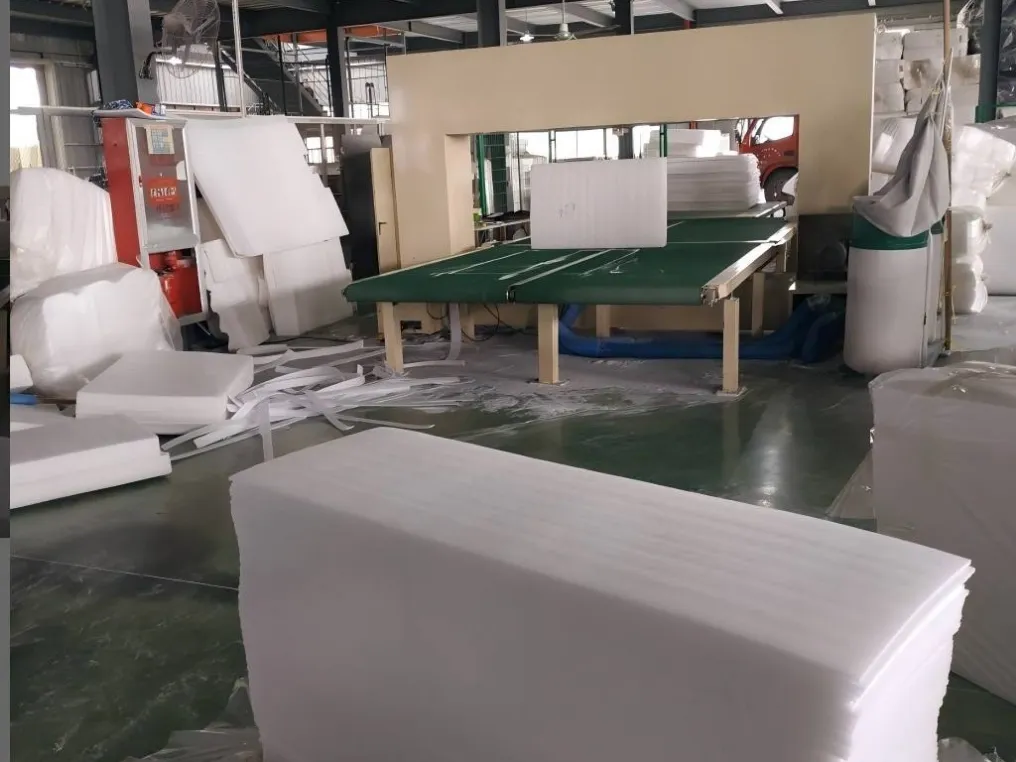
EPE (expanded polyethylene) foam is a lightweight, shock-absorbing, water-resistant material. In a trampoline it appears in three places: the safety pad (spring cover) that covers the springs and frame edge, the foam sleeves that wrap the enclosure poles, and smaller protective edge components. Its job in each case is the same — absorb impact energy before a body reaches steel. Because it works by volume and density, it is also a material where cost cutting is physically easy and functionally expensive.
2. The Safety Pad: A Three-Layer System
A quality spring pad is a sandwich: a PVC top layer for weather and wear resistance, an EPE foam core for impact absorption, and a PE bottom layer. The foam core is the working layer, and its thickness is the specification that decides both protection and price. Common pad foam thicknesses in the market run from around 10 mm at the economy end to 20 mm and above on premium and large models — a spring cover pad quotation should always state which one you are actually buying. Larger trampolines amplify the effect: pad area grows with the frame, so the same foam price increase costs more per unit on a 14FT than on an 8FT.
3. Why Some Manufacturers Reduce Foam Thickness
When EPE prices rise, the quiet adjustments available to a factory are predictable: thinner foam, lower foam density, narrower pads, or lower-grade foam stock. Each reduces material consumption per unit, and none is visible in a product photograph. All of them reduce impact absorption exactly where it matters — the frame edge, the landing zone for the slips and off-centre landings that enclosures cannot prevent. For kids' and family trampolines especially, the pad is not a cosmetic accessory; it is part of the safety system, and its specification belongs in the purchase contract, not in a verbal assurance.
4. Enclosure Pole Foam Sleeves: Small Part, Full-Length Exposure
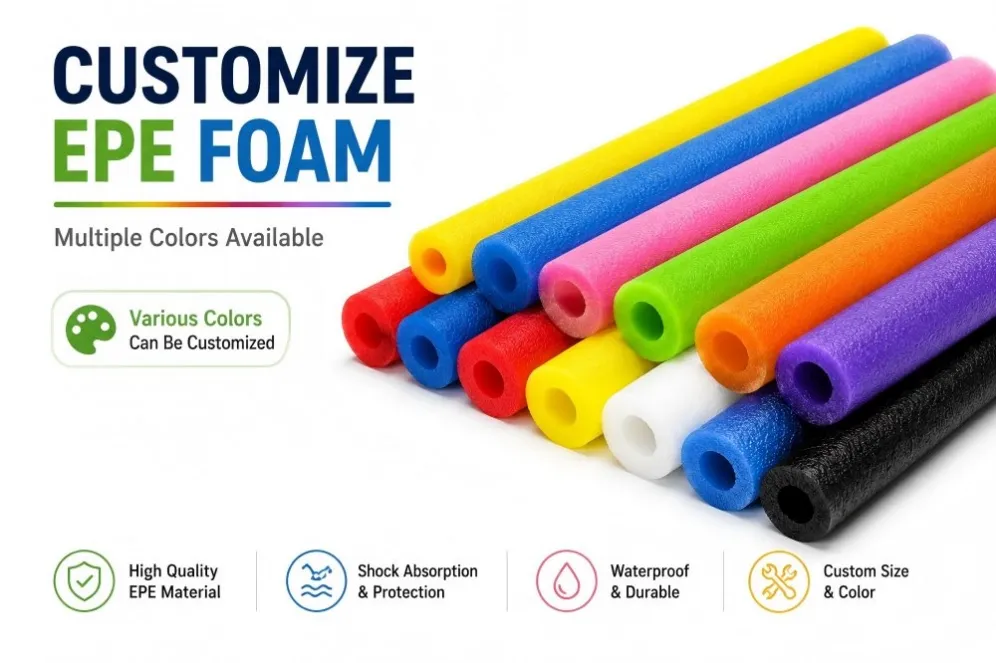
Every enclosure pole carries a full-length EPE sleeve, and a trampoline has six to twelve poles depending on size — so sleeve foam is a significant material line in its own right, produced almost entirely from extruded EPE. Sleeve quality shows up over seasons: low-grade foam cracks, collapses and ages quickly in UV, losing cushioning and leaving poles effectively bare, while better foam keeps its wall thickness and resilience outdoors. For retailers the failure is slow and reputational — complaints and warranty claims in year two rather than returns in week two — which is precisely why it escapes notice in a first-order price comparison.
5. What Buyers Should Check
When comparing suppliers during a foam price cycle, specify and verify the safety components explicitly:
- Pad: foam thickness, foam density, pad width, PVC grade and UV treatment, stitching strength at the seams and ties.
- Pole sleeves: foam wall thickness, density, weather resistance, and whether the sleeve covers the full pole length.
- Compliance: the pad and sleeve are part of the tested product — confirm the test report for your market's standard (EN71, ASTM) covers the model as configured, and that production matches the tested specification.
Two trampolines can look identical in a catalogue while their safety materials differ substantially. The checks above are how a buyer finds out before the market does.
6. Long-Term Value vs Short-Term Cost Cutting
Thinning safety foam lowers this season's unit cost and raises next season's after-sales cost: more replacement claims, weaker reviews, and retailers quietly moving the range to another supplier. In the European and North American markets especially, durability and child safety are the attributes buyers advertise — a brand cannot market safety it has specified out of the product. Manufacturers who hold safety specifications steady through a raw-material cycle, and can show buyers exactly what is inside the pad, are making the commercially stronger choice, not just the ethical one.
Conclusion
EPE foam is hidden inside the components that protect users at the frame edge and the poles. Rising foam prices make its specification more important, not less: state the thickness and density you require, verify them on samples and in inspection, and treat any unexplained price advantage during a foam spike as a question to ask, not a saving to bank.
Read next: How European Trampoline Brands Are Fighting the 2026 Price War Without Sacrificing Quality · 2026 Global Trampoline Market Outlook: Logistics and Cost Pressures on Sourcing