Global Kids Trampoline Market: 2024 vs 2031 Outlook
Global kids trampoline market outlook to 2031: spring, inflatable and mini trampolines compared by segment, region and the trends buyers should plan ranges around.
The home kids trampoline market is not one market but three, and they will not grow the same way between now and 2031. Spring trampolines, inflatable trampolines and mini trampolines serve different families, different spaces and different price points. This outlook compares the three segments and the regional patterns behind them, as a planning companion to the 2026 trampoline market outlook.
1. Three Segments That Make Up the Kids Market
Spring trampolines are the classic garden format: steel frame, springs, mat and enclosure, in sizes from toddler models to full family sizes. Inflatable trampolines are air-filled play products — bouncy-castle formats rather than sprung equipment — bought for portability and events. Mini trampolines are the small indoor format, increasingly bought as much for parents' home fitness as for children's play. A buyer's range decision starts with which of these three games they are actually playing.
2. Spring Trampolines: The Backbone Segment
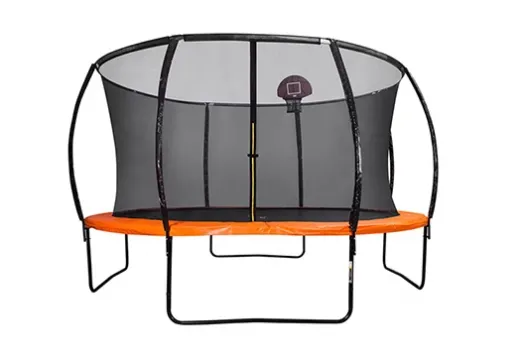
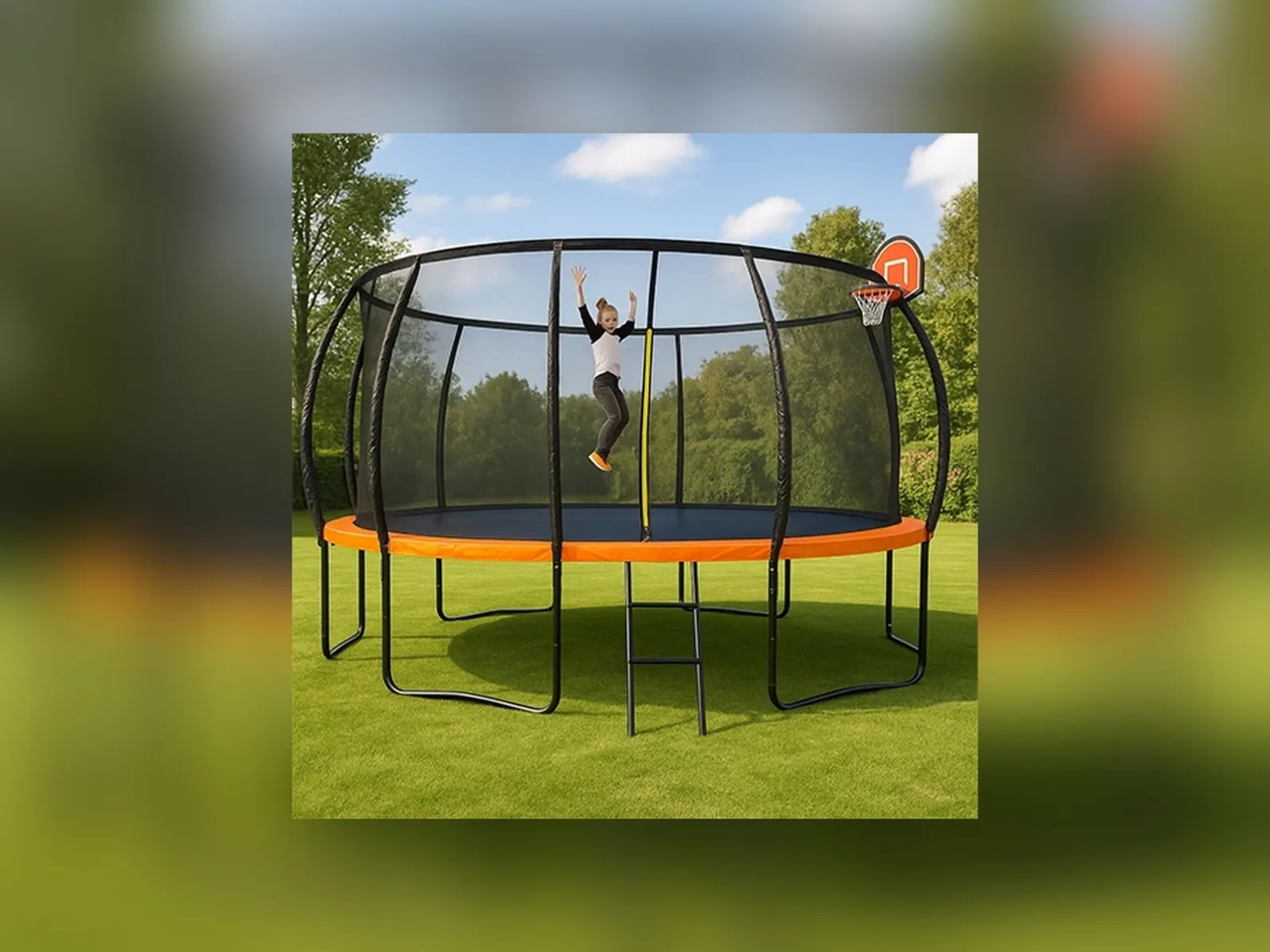
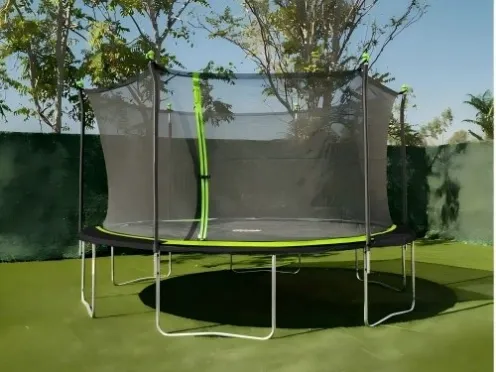
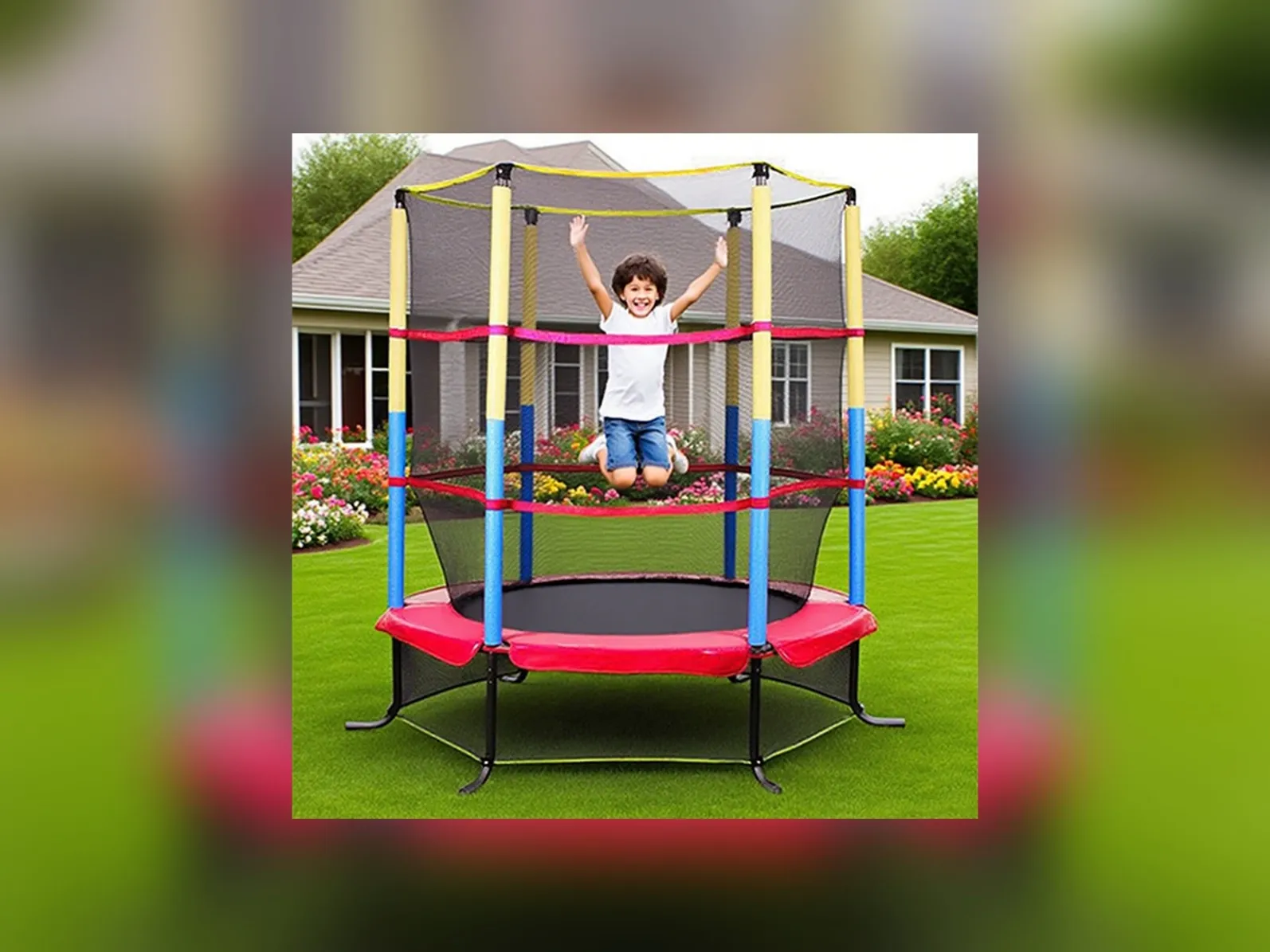
Spring models remain the backbone of the kids market because they carry the core use case: regular outdoor play in a family garden, over multiple seasons. Medium garden sizes do most of the volume, balancing jumping area against the space families actually have. The segment's development is driven by safety specification: full enclosures have become the expected standard rather than a premium extra, and buyers compare padding, net attachment and entrance design closely. At the entry end, the toddler format — our 140cm trampoline with safety net is the typical shape of it — sells on enclosure security and indoor-outdoor flexibility. Durability upgrades (galvanisation, UV-treated mats and nets, reinforced stitching) are where this segment's premium is earned between now and 2031.
3. Inflatable Trampolines: A Different Supply Chain
Inflatables grow on a different logic: lightweight, quick to set up, easy to store, and suited to parties, rentals and seasonal events as much as permanent home use. Buyers should note they are also a different product technically — welded PVC construction rather than steel frames and springs — which means a different factory type, different failure modes (punctures and seams rather than rust and fatigue) and different compliance questions. Treat inflatables as an adjacent category to evaluate on its own terms, not as a line extension of a spring-trampoline programme.
4. Mini Trampolines: The Fitness Crossover
Mini trampolines are the segment where the kids market and the home-fitness market merge. The same compact format serves children's indoor play and adults' low-impact home exercise, and that dual use is what keeps the segment growing through economic cycles that slow pure toy purchases. Product development follows the indoor setting: foldable structures for storage, quieter bungee suspension options alongside springs, non-slip feet and handle bars for younger or less confident users. For retailers, the crossover positioning — one product, two buyers in the same household — is the segment's commercial story.
5. Regional Patterns
North America is the largest and most mature kids market, with spring trampolines dominant and mini trampolines the developing crossover segment. Europe buys heavily on outdoor leisure and garden use, with strong compliance expectations shaping specifications. Asia-Pacific is the growth region across all three segments, driven by urban families — which also pushes compact and indoor formats harder there than elsewhere. The planning implication: the same three segments need different size and format mixes per region, and a single global range usually under-serves at least one of them.
6. What This Means for Buyers
Plan the kids range by segment, not by catalogue order. Anchor on spring models with enclosure specification you can document; add mini trampolines as the fitness-crossover line with indoor-appropriate features; and evaluate inflatables separately, with their own supplier and compliance checks. Across all three, the direction to 2031 is the same: safety specification, scene diversification (garden, indoor, portable, events) and family health positioning are what the growth is made of.
Read next: Global Outdoor Trampoline Market Forecast 2025–2035 · Trampoline Industry Outlook: Finding Opportunities Amid Challenges