How European Trampoline Brands Are Fighting the 2026 Price War Without Sacrificing Quality
How European trampoline brands fight the 2026 price war without cutting safety: honest sizing, packaging strategy and total landed cost over FOB price.
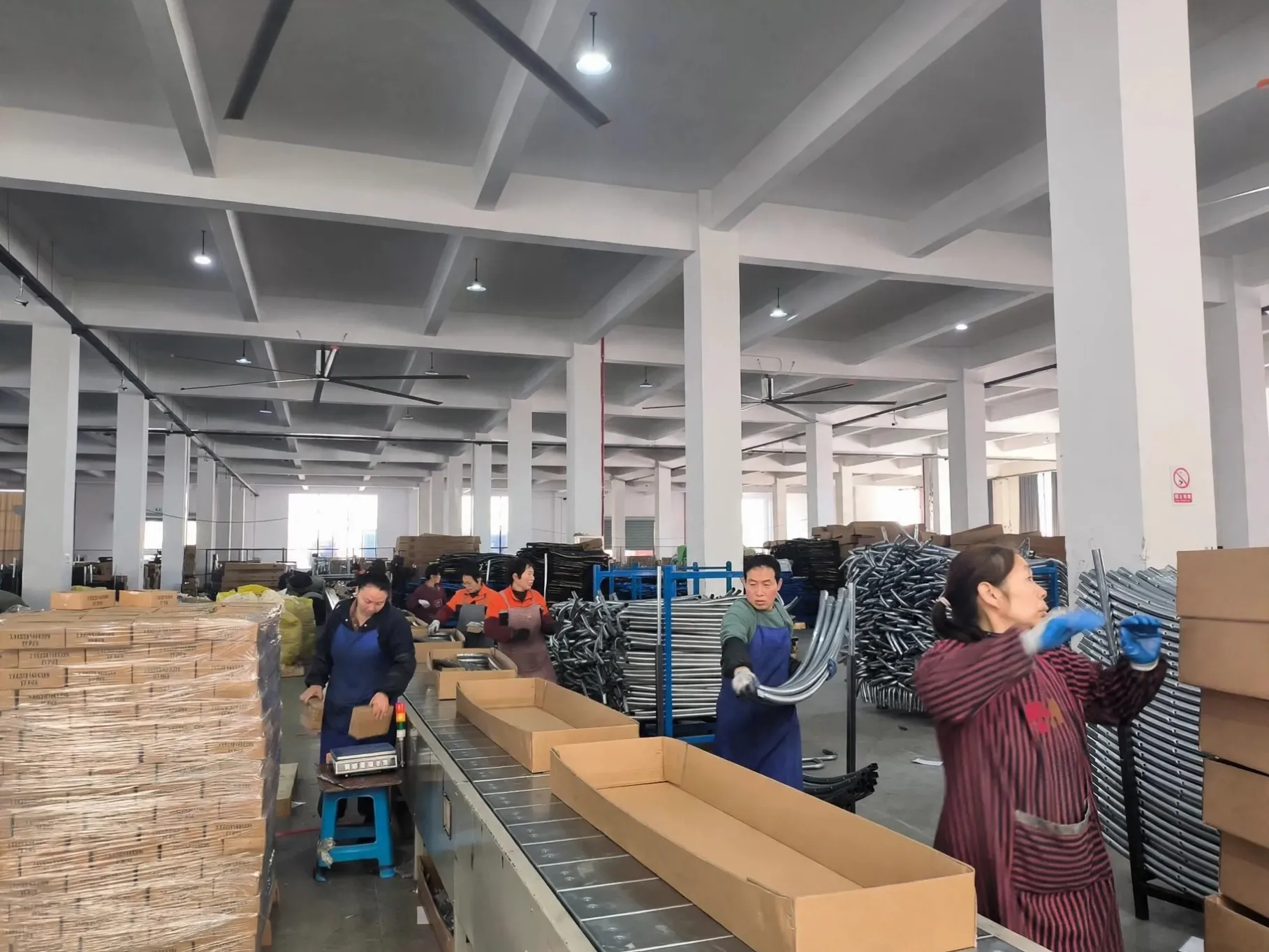
Across the Netherlands, Germany, Poland and the rest of Europe, trampoline distributors and marketplace sellers are facing aggressive price competition — in some cases from offers with similar-looking specifications at dramatically lower prices. The brands holding their position in 2026 are not the ones buying the cheapest trampolines. They are the ones optimising everything around the trampoline. This article breaks down how, as a companion to the 2026 trampoline market outlook.
1. The Real Problem Behind the Cheap Trampoline
Many factories compete on FOB price alone. Experienced European buyers have learned that the cheapest FOB price often produces the highest total cost later — in freight, returns, claims and reputation. The gap between the two numbers is where the 2026 price war is actually being fought, and it is fought on specification honesty, packaging and after-sales performance rather than on the unit price line.
2. Start With Honest Sizing
One quiet source of false competition is diameter labelling. In some markets, trampolines are advertised by a nominal size measured across the outside of the padding rather than by the steel frame diameter — a trampoline sold as 251 cm may be built on a 244 cm frame, a "312" on a 305, a "374" on a 366. The labelled product looks larger and cheaper; the physical product is neither. Every centimetre of real frame affects steel consumption, carton size, container loading and retail positioning, so professional category managers now specify and compare the true frame diameter — and expect suppliers to quote against it transparently.
3. Packaging Strategy: The Hidden Cost Centre
Packaging inefficiency is one of the largest hidden costs in the category. Multi-box packaging — two or three cartons per trampoline — splits weight conveniently but creates operational problems downstream: accessories separated from the main unit in delivery, higher warehouse handling cost, more marketplace returns for "missing parts", and more damaged cartons in final-mile delivery. For e-commerce sellers, each of these lands directly on profitability and review scores.
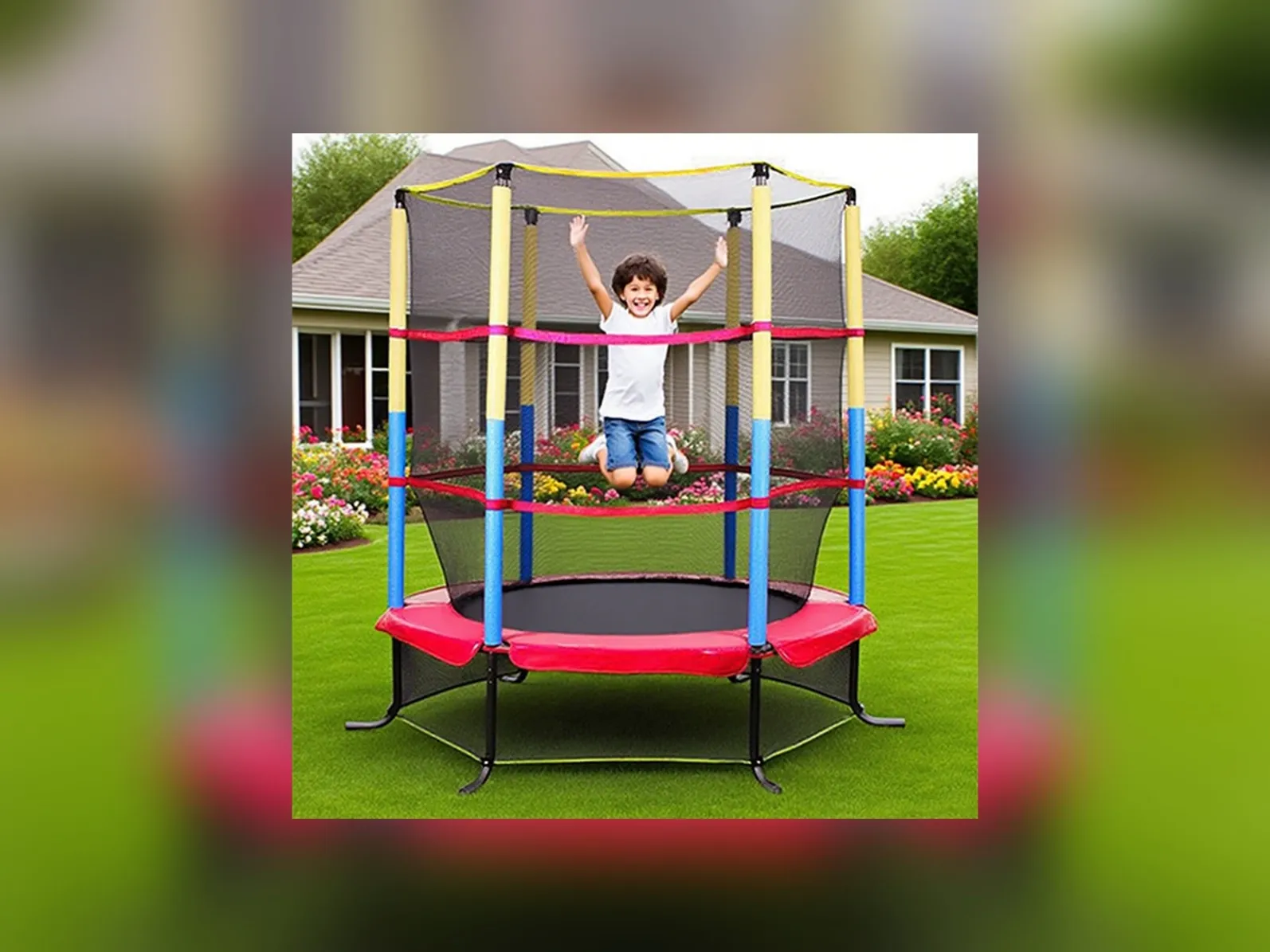
Where courier weight limits and marketplace rules allow, optimised single-box packaging reverses the list: higher container loading quantity, lower freight cost per unit, less warehouse handling, fewer missing-part complaints and a cleaner delivery experience. The right answer depends on the channel — courier restrictions, marketplace logistics rules and retailer warehouse systems all differ — which is why a supplier's job is not only to quote a product but to help engineer the packaging strategy for the market it ships into. The same logic applies at the indoor end of the range: a compact format like the 55 inch bungee trampoline with net lives or dies on how efficiently it packs for parcel delivery.
4. Budget Must Not Mean Unsafe
The dangerous response to price pressure is to buy the saving out of the product: thinner steel, weaker welding, lighter springs, poorer stitching, lower-density foam, weaker UV treatment. The result is shorter lifespan, unstable structures and the after-sales claims that erase the saving. The brands competing sustainably hold a floor of non-negotiables — a stable galvanised frame, reliable welding, reinforced mat stitching, UV-resistant padding, and product designed to meet European testing standards — and take their savings from packaging, material allocation, container efficiency and specification standardisation instead. Cost engineering and safety cutting are different disciplines; the price war rewards the first and punishes the second, one season later.
5. Buyers Are Becoming More Professional
European trampoline buyers increasingly operate as category managers rather than purchasers: running marketplace analytics, tracking return rates by model, monitoring logistics performance, comparing total landed cost between suppliers, and building private-label ranges with deliberate tiering — entry, mid-range and premium collections kept separate so each can be priced and specified honestly. What they need from factories has changed accordingly: compliance fluency, e-commerce-ready packaging, retail presentation support and cost engineering, delivered as a supply-chain partnership rather than a quotation.
Conclusion: Win on Total Cost, Not FOB
The European market will stay competitive. The brands that survive it will control supply-chain efficiency, reduce after-sales cost, optimise packaging and hold their quality floor — and they will choose factories that work the same way. In a price war, the cheapest trampoline is easy to find; the cheapest trampoline to own, sell and stand behind is the one worth buying.
Read next: How Rising EPE Foam Prices Impact Trampoline Safety Components in 2026