The Trampoline Market in 2026: Data-Backed Sourcing Strategies and Trends
The trampoline market in 2026: how safety expectations, format diversification and sustainability are reshaping sourcing strategies for importers and brands.
The trampoline market has entered a more mature phase. The post-pandemic boom gave way to a correction, and the buyers who are winning now are not the ones chasing the lowest unit price — they are the ones sourcing for quality, compliance and durability. This guide sets out what is actually changing in the market in 2026, and the sourcing strategies that follow from it.
1. A Maturing Market: Consolidation Around Quality
The first post-pandemic years flooded the category with short-term, low-cost supply. That wave is receding. Retailers and distributors have lived through the returns, the reviews and the warranty claims that come with under-specified product, and purchasing behaviour has changed accordingly: ranges are being consolidated around fewer suppliers with documented testing, stable specifications and real after-sales support. For importers, the practical consequence is that supplier selection now decides margin more than price negotiation does — a cheap unit that comes back is the most expensive unit in the range.
2. Safety Has Become the First Purchase Criterion
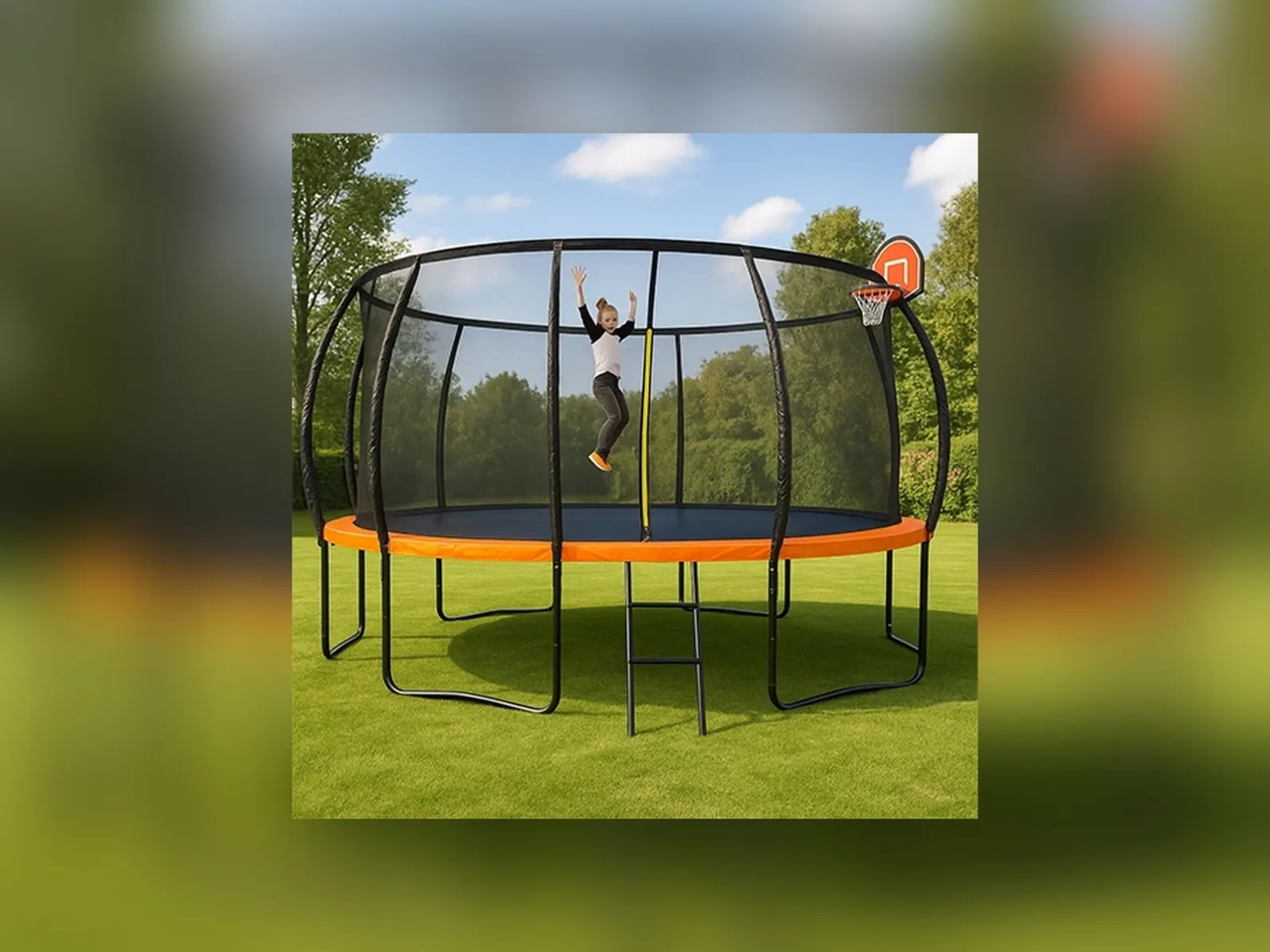
Safety has moved from a compliance checkbox to the leading reason buyers choose one model over another. Full enclosures are now the default expectation on family trampolines rather than an upgrade, and enclosure design — net material, attachment method, entrance closure — is compared model by model. Two sourcing habits separate professional buyers here. First, they ask for test reports that name the exact model and size, against the standard of the destination market — EN71-14 for Europe, ASTM F2225 for the United States — and they buy product designed to meet those standards, not product merely described as compliant. Second, they treat assembly as part of safety: clear manuals, labelled parts and assembly videos reduce both incidents and claims, and they are worth asking about before the order, not after.
3. How Ranges Are Changing: Format, Size and Fitness
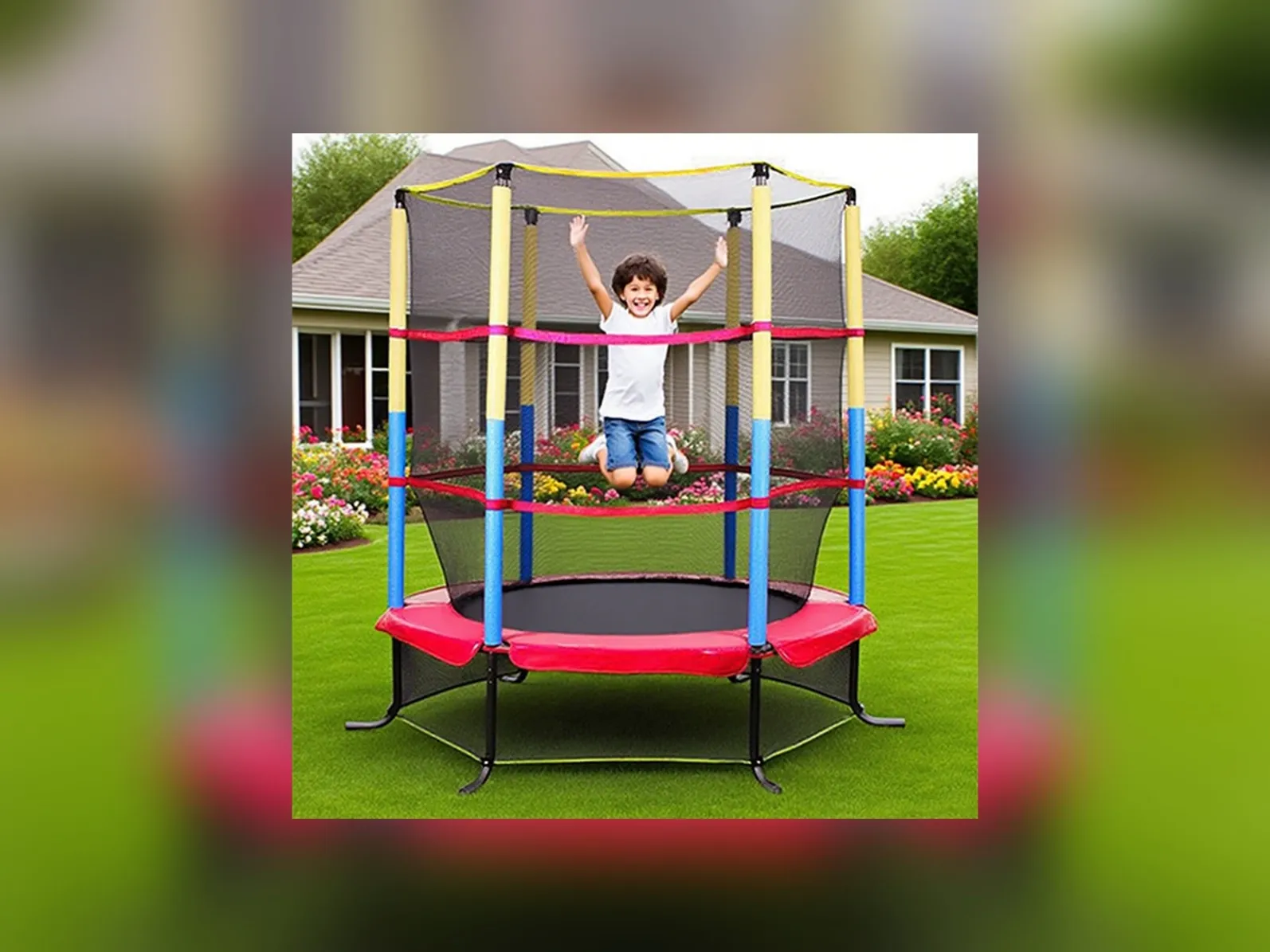
The range itself is diversifying in three directions. Compact sizes — smaller round and rectangular models for urban gardens, terraces and indoor use — keep gaining shelf space as living spaces shrink. Rectangular and oval models anchor the premium tier, sold on bounce performance and garden fit rather than price. And colour customisation of pads, nets and accessories has become a standard private-label conversation rather than a special request.
The third direction is the fitness crossover. Home fitness demand has pulled mini trampolines and rebounders into the same buying programmes as garden models: foldable formats, handle-bar options and quieter suspension systems aimed at adult home exercise. Buyers planning a 2026 range should treat the fitness segment as part of the trampoline category, not a separate one — the customers and the factories increasingly overlap.
4. Sourcing Criteria That Matter in 2026
For procurement teams, the evaluation order has effectively reversed: documentation first, durability evidence second, price third. The questions that now decide orders:
- Can the supplier produce a current test report for this exact model and size, for our market's standard?
- What UV treatment and weathering specification do the mat and net carry, and how is it verified?
- How is the frame protected against corrosion, and what does the weld inspection look like?
- What is inspected before shipment, and can we run our own or third-party inspection?
- Are spare parts — mats, nets, pads, springs — available for this model in future seasons?
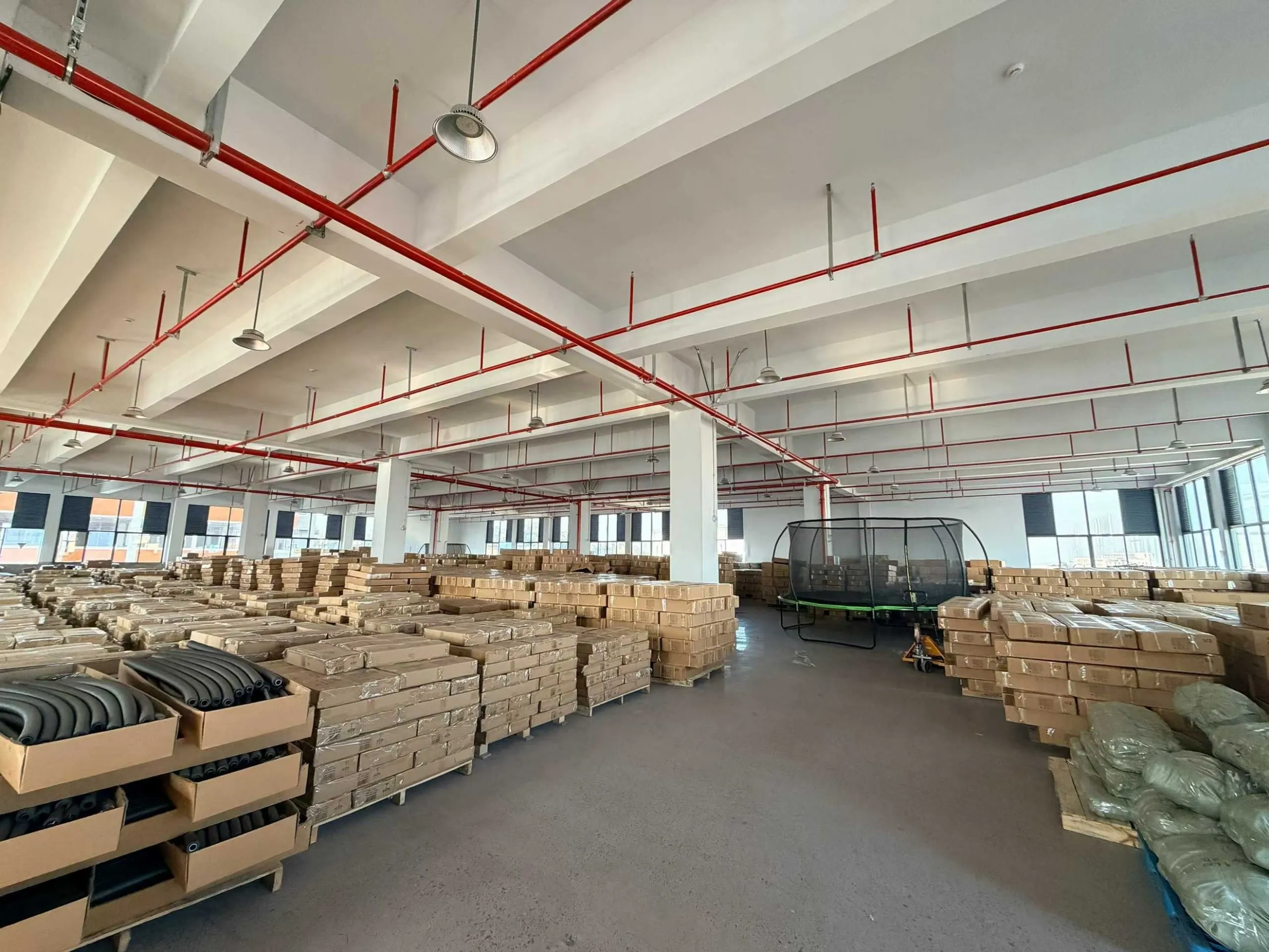
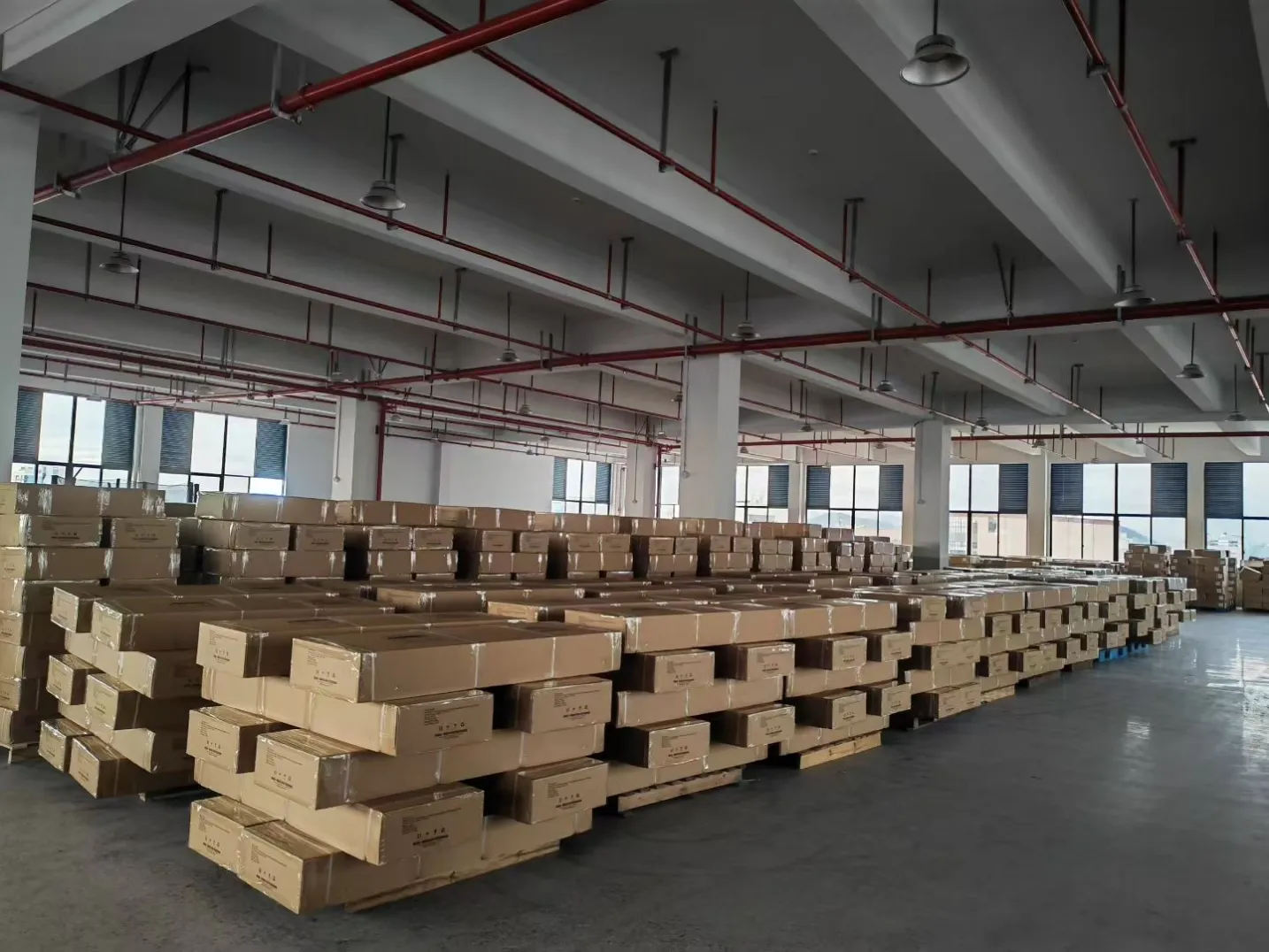
On our own production, every run is fully inspected before shipment and spare parts stay available across seasons, because that is what the questions above are really testing: whether a supplier's answers survive contact with a second and third order.
5. Two Trends to Watch: Sustainability and Connected Product
Sustainability has moved from marketing language into RFQ documents. Buyers increasingly ask about recycled content in steel and packaging, packaging reduction, and the documentation behind environmental claims. Suppliers who can answer with specifics — materials, packaging formats, test documentation — are positioned as preferred partners; vague green language is discounted.
At the premium end, connected features — jump counting, motion sensing, app-linked training — are appearing in higher-end lines. They are not yet a volume driver, but they are a differentiation tool for brands that need a story above the entry-level price fight. The strategic point for importers is to decide deliberately which tier each model in the range serves, instead of letting the range drift.
Conclusion: Source for the Market That Exists Now
The 2026 market rewards foresight: safety documented model by model, formats matched to how customers actually live, and suppliers evaluated on evidence rather than price alone. Ranges built that way — from entry sizes like the 6ft trampoline for compact gardens up to premium rectangular models — hold their margin through the season instead of giving it back in returns.
Read next: China's Trampoline Industry: Sourcing Insights for Importers · Trampoline Industry Outlook: Finding Opportunities Amid Challenges