China's Trampoline Industry: Sourcing Insights for Importers
China's trampoline industry explained for importers: the component ecosystem, three market segments, China-plus-one sourcing and the trends shaping 2026 orders.
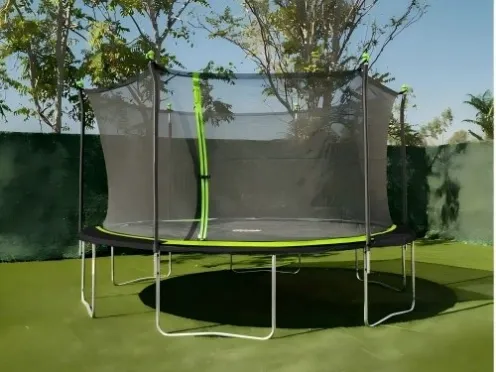
Most of the world's trampolines are made in China, but "made in China" covers very different factories, clusters and capabilities. This guide explains how China's trampoline industry is actually structured — its segments, its component ecosystem, and the sourcing questions that follow — building on the 2026 trampoline market outlook.
1. Three Segments, Three Sourcing Logics
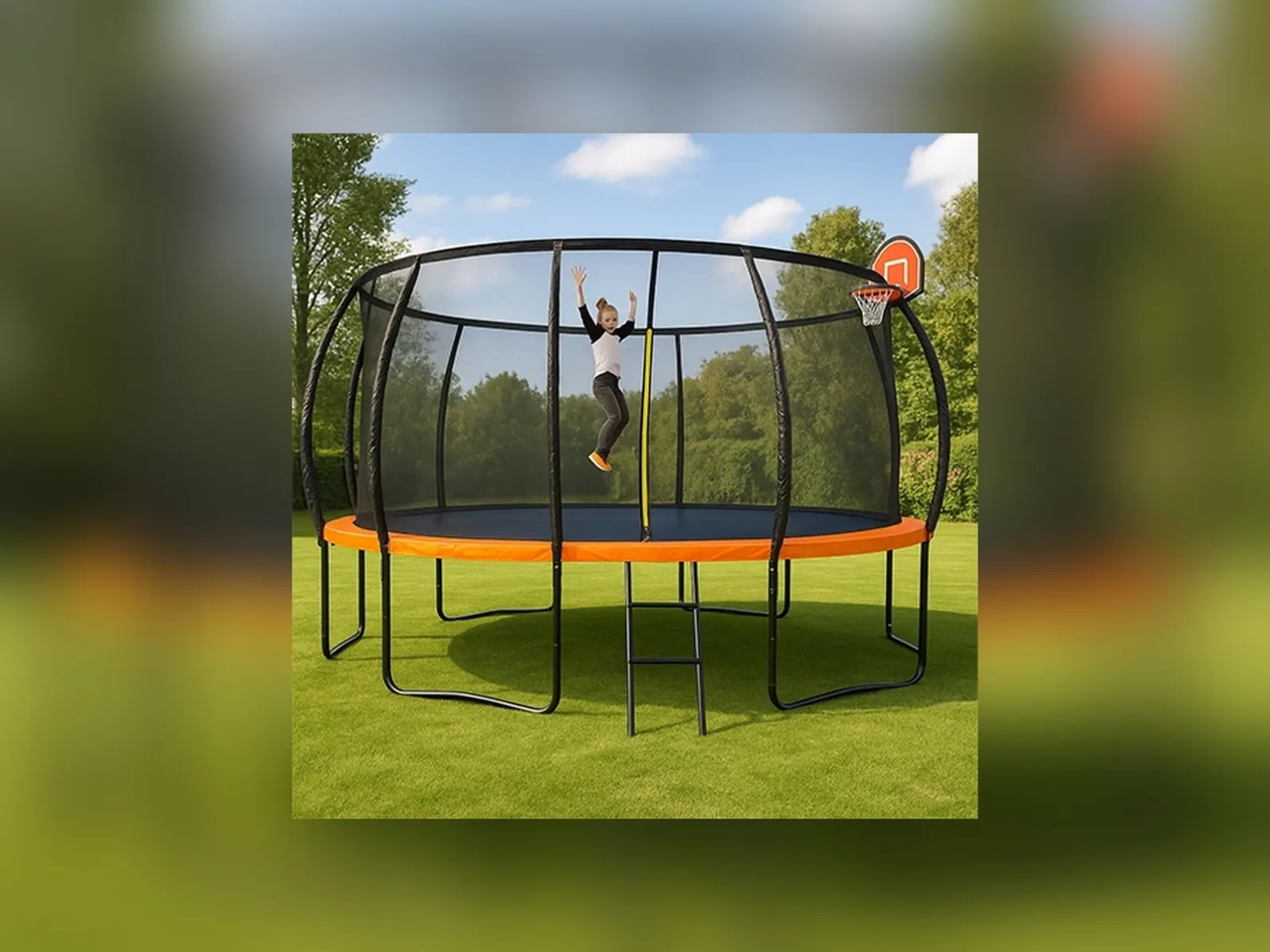
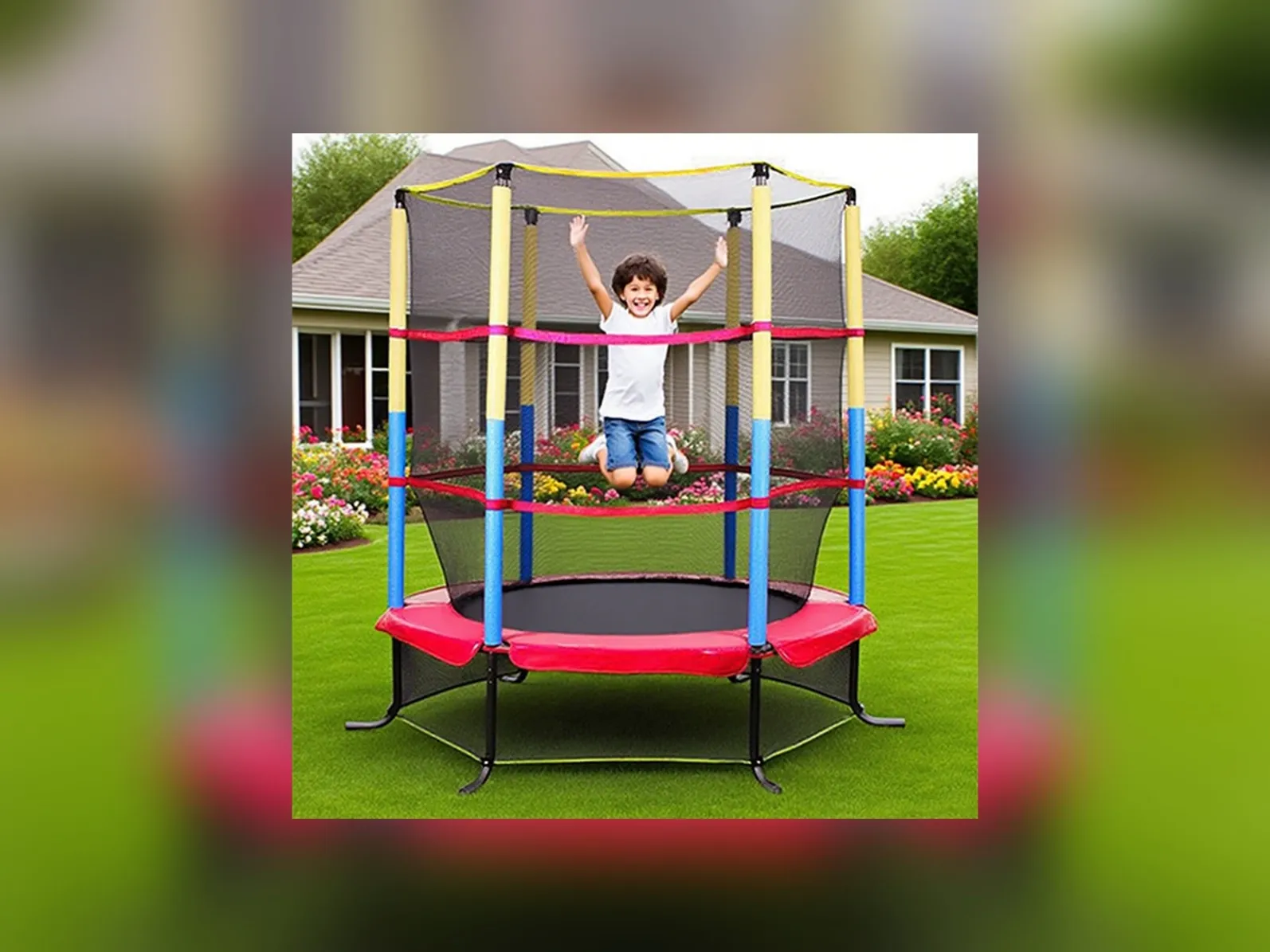
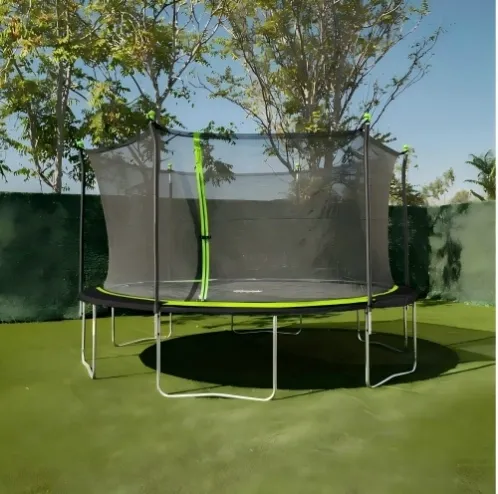
China's trampoline production serves three distinct segments, and each rewards a different sourcing approach. Home and residential trampolines are the volume core: garden models with enclosures, kids' models and mini fitness trampolines, bought on range breadth, packaging efficiency and seasonal reliability. Commercial and park trampolines are engineered for heavy use — entertainment venues, sports complexes and resorts — and bought on structural specification, documentation and spare-parts support. Competitive and professional trampolines serve schools, clubs and training facilities, and are bought against the performance requirements of their sport. Importers who are clear about which segment a model belongs to write better specifications and get more useful quotations.
2. The Real Advantage: An Integrated Component Ecosystem
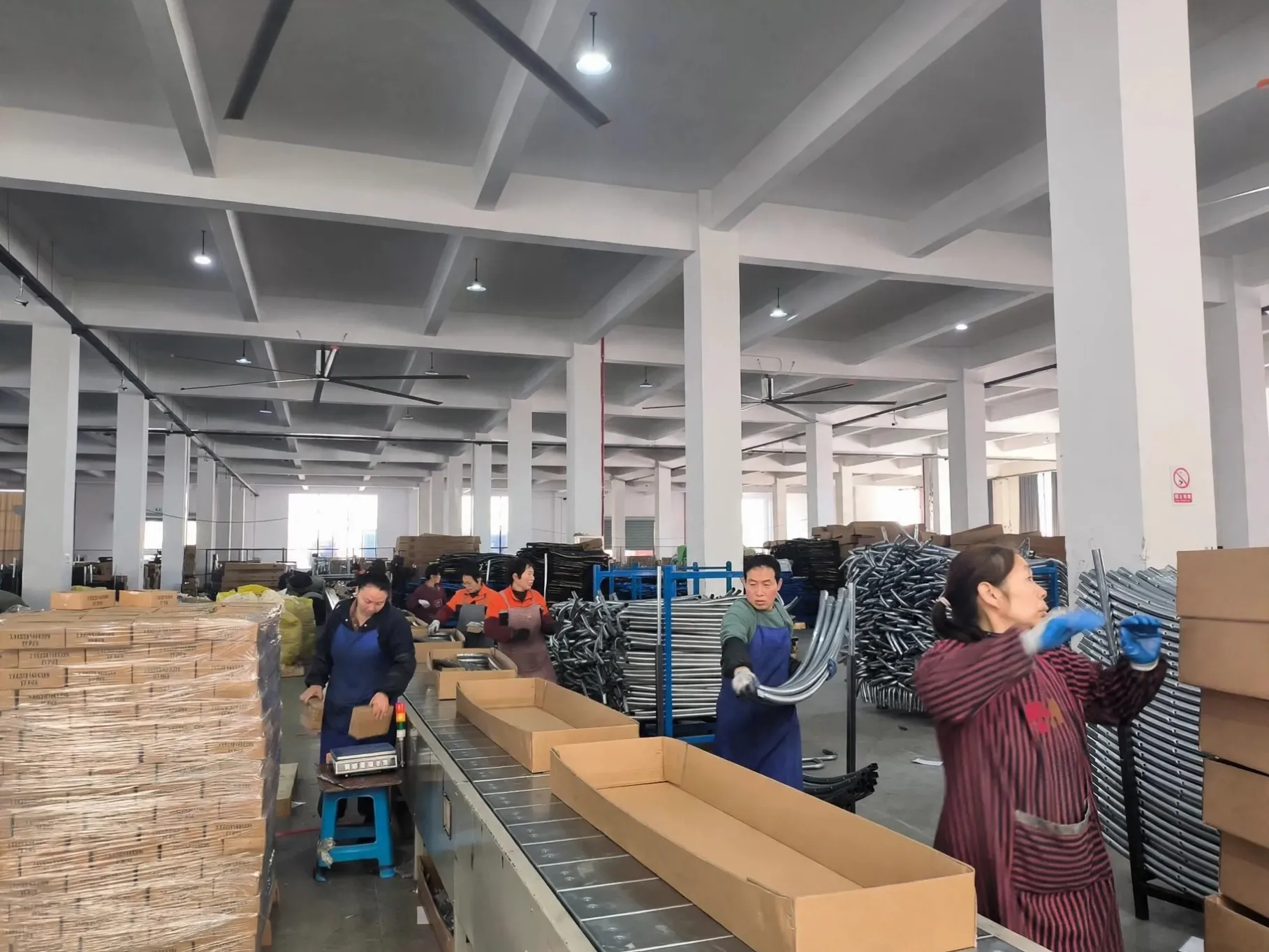
China's edge is not labour cost; it is the density of the component supply chain around the assembly factories. Springs, galvanised frame tubes, woven PP mats, PVC pads, enclosure nets and foam components are produced within the same industrial clusters, often within short trucking distance of the trampoline factory. That density shows up in an importer's programme as:
- Development speed — a specification change to a spring, mat or pad can be sampled in days, not shipping cycles.
- Specification depth — spring wire and coil options, mat weights, pad thicknesses and net materials can be tuned per market instead of taken from a fixed catalogue.
- Spare-parts continuity — the components behind a model stay in production, so replacement mats, nets and pads remain available seasons later.
- Cost structure — competition at every component tier keeps the assembled price honest without forcing the quality cuts that appear when one supplier must margin-squeeze a bought-in part.
3. What the Ecosystem Means for Your Order
Practically, sourcing from inside this ecosystem means customisation is a normal conversation: pad and net colours, logo printing, manual languages, retail packaging and mixed-size container loading are standard OEM work rather than exceptions. It also means the accessories programme matters — a complete offer, down to details like a trampoline anchor kit for wind security, is what lets a retailer sell a finished solution instead of a bare frame. When comparing Chinese suppliers, compare the ecosystem they sit in and the component choices they can actually make, not only the assembly price.
4. Tariffs and the China-Plus-One Question
Tariff uncertainty — above all for the US market — has pushed many importers toward a China-plus-one structure, adding a second production country as a hedge. The experience of the past seasons has clarified what that hedge can and cannot do. Alternative bases in Southeast Asia assemble trampolines, but the component ecosystem is not there yet: springs, mats, pads and nets are frequently imported — often from China — which lengthens lead times and dilutes the cost advantage. Capacity is also limited, which matters in a category with a hard seasonal peak.
The working pattern for most importers is therefore dual rather than switched sourcing: standard, price-led volume can be split, while the models that carry the range — new formats, tighter specifications, faster development — stay with the Chinese ecosystem. The honest comparison is total landed cost and defect experience across a season, not the FOB line in a single quotation.
5. Three Strategic Trends to Plan Around
Safety and quality first. Compliance documentation and reliability now lead supplier evaluation; source product designed to meet your market's standard and ask for the test report behind the exact model. Format diversification. Growth is in differentiated formats — combo models with accessories, mini fitness trampolines, commercial installations — rather than another undifferentiated round model. Eco-conscious manufacturing. Recyclable materials, non-toxic material choices and reduced packaging are moving from brand marketing into purchase specifications; ask what a supplier can document, not just declare.
Conclusion: Buy the Ecosystem, Not Just the Factory
China remains the world's trampoline workshop because its component ecosystem makes quality, customisation and continuity available at scale. Importers who source with that structure in mind — clear segment, tuned specification, documented compliance — build ranges that survive both tariff headlines and seasonal peaks.
Read next: Trampoline Industry Outlook: Finding Opportunities Amid Challenges · The Trampoline Market in 2026: Data-Backed Sourcing Strategies and Trends