Stocking Trampoline Spare Parts: A Guide for Importers and Retailers
Stocking trampoline spare parts for importers and retailers: which parts to hold, how much, compatibility records and how parts support protects your reviews.
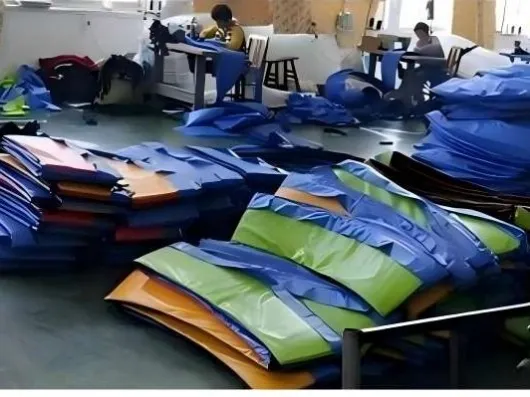
Every trampoline you sell creates a future parts customer. Nets tear, pads weather, springs tire — and the importer who can supply the replacement keeps the customer, the review and the next sale. This guide covers which parts to stock, how much, and how to keep compatibility under control. It follows the inspection discipline in our quality control & inspection guide: parts are verified by content against the model record, not by guesswork.
1. The Core Parts List
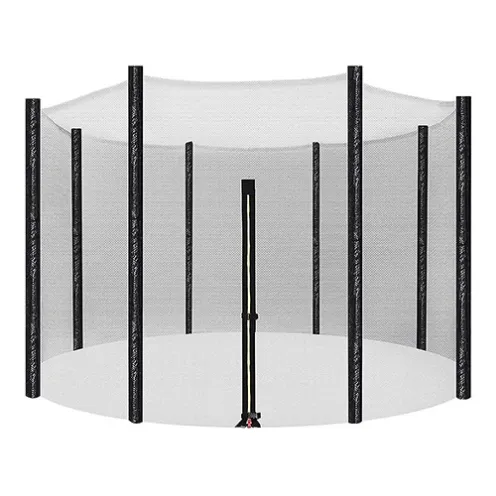
- Safety nets — the highest-demand replacement; stock per size and per enclosure type (inside vs outside net, pole count)
- Jumping mats — per size and per V-ring/spring count; a 54-spring mat does not fit a 60-spring frame
- Springs — per length; sold as sets and singles
- Spring pads — per size and shape; the most weather-exposed part
- Pole foam sleeves and caps, hardware kits, ladders, anchor kits — small, cheap, and disproportionately responsible for "missing part" complaints
Start from the models you actually sell: a part like our replacement safety net (external enclosure) only earns its shelf space if it matches your installed base.
2. How Much to Stock
Work from your installed base and failure patterns, not from a fixed percentage. Nets and pads turn over fastest (UV and weather); mats follow; springs are steady; hardware kits should never be out of stock. Review the numbers each season and adjust the parts order that rides with your next trampoline shipment — parts shipped inside a trampoline container cost a fraction of parts shipped alone.
3. Compatibility Records Are the Whole Game
Parts chaos comes from one cause: models that share a size but not a specification. Keep a record per model — size, spring count and length, V-ring count, net type, pole count — and label parts stock by model, not by size alone. When a model is revised, record which parts changed. Your future self, facing a customer with a three-year-old trampoline, will be grateful.
4. Parts Support as a Sales Asset
Retailers who advertise parts availability sell more trampolines: buyers know the product can be maintained. Publish your parts range, keep the common items in stock, and make ordering a replacement a two-minute task. The alternative — a customer told their two-year-old trampoline is unrepairable — is a one-star review with your name in it.
5. Agree Parts Terms With Your Supplier Early
Before the first trampoline order, confirm: which parts the supplier will hold or produce for your models, parts pricing, minimum parts order, and how long support continues after a model is discontinued. Parts terms agreed at the start cost nothing; parts terms negotiated after a model is discontinued cost whatever the supplier asks.
Read next: Trampoline Mat Sourcing Guide: Materials, Stitching and UV Standards · Buying Stock Trampolines: A Practical Checklist for Importers