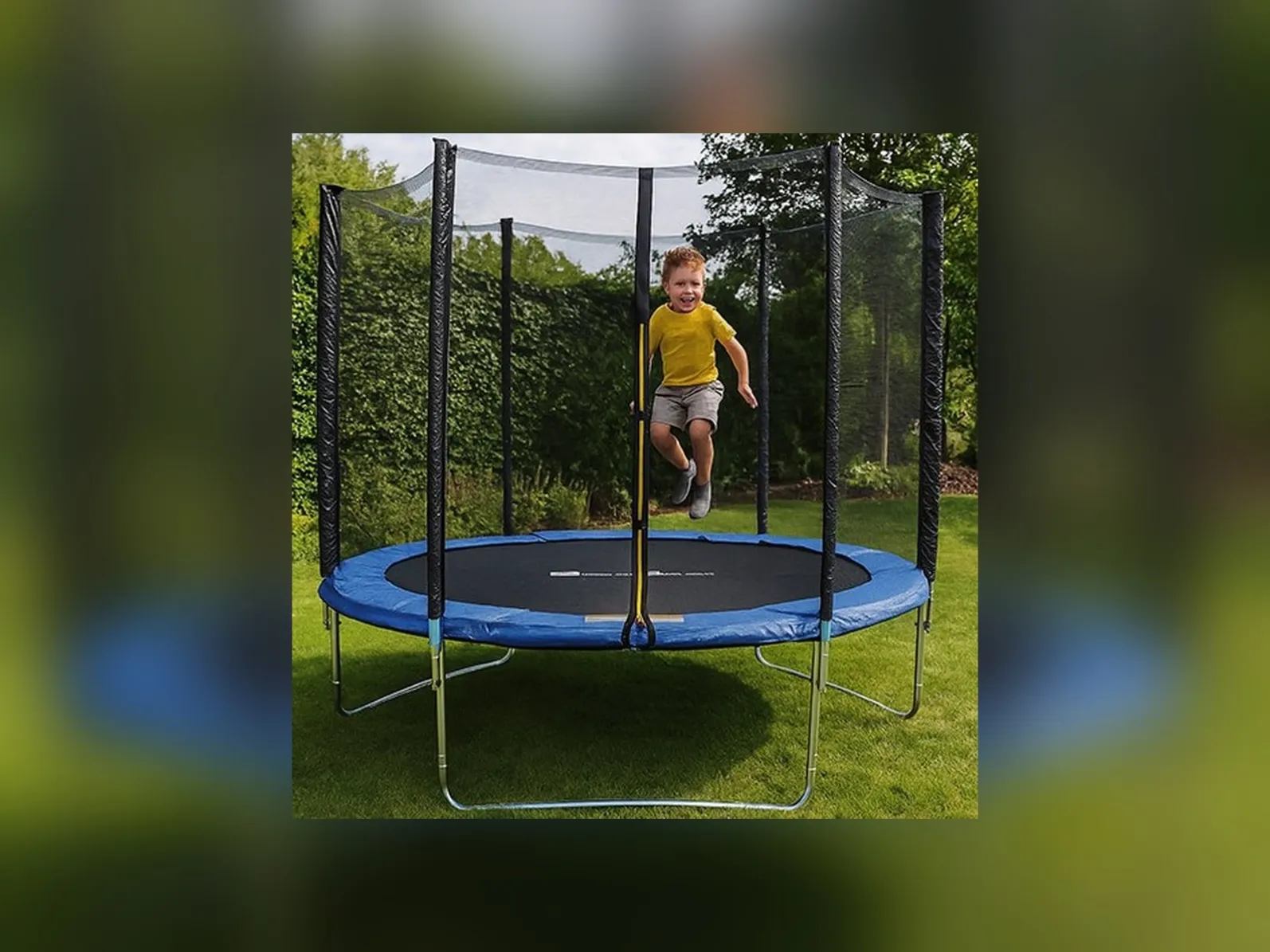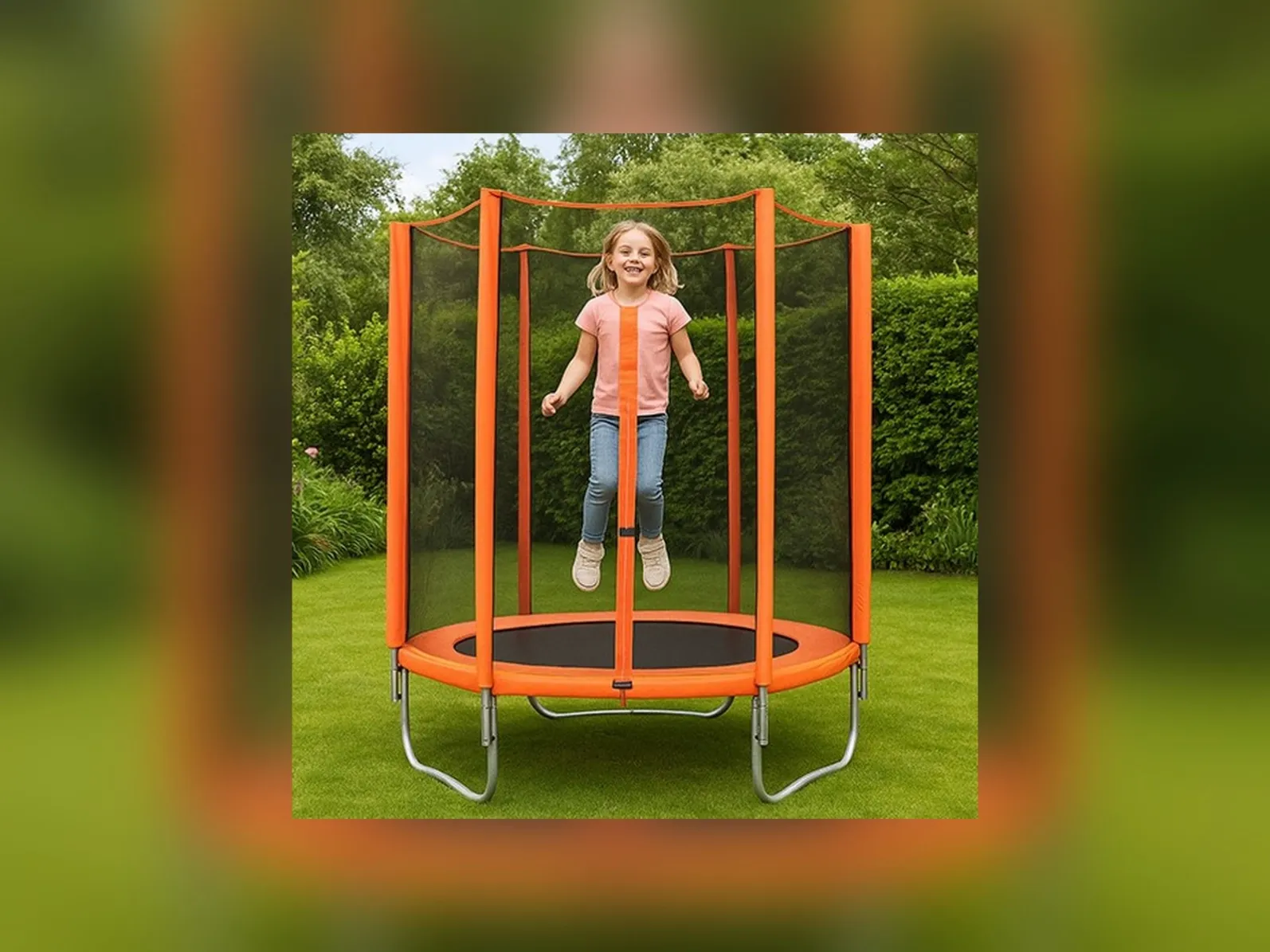
Buying Stock Trampolines: A Practical Checklist for Importers
Buying stock trampolines as an importer: check sizes, specifications, packaging and documents on ready stock — and know when made-to-order serves you better.
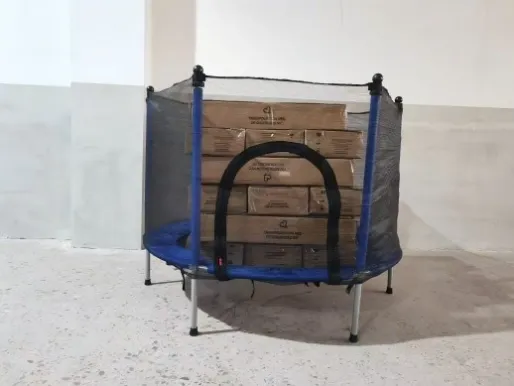
Ready stock trampolines — units already produced and sitting in a warehouse — solve a timing problem: no production lead time, faster shipment, and the ability to cover a demand spike or a missed order. They also carry risks that made-to-order production does not. This checklist covers how to evaluate stock before you buy it, and when made-to-order is the better route. It complements the general framework in our guide to choosing a trampoline supplier.
1. Confirm What the Stock Actually Is
- Exact models and sizes available, and quantities per size — "stock available" without a size breakdown is not an answer
- Production date of the stock: how long has it been stored, and in what conditions?
- Why is it in stock — standard production run, cancelled order, or overproduction? The answer explains the price and sometimes the specification
- Is the specification identical to the current production version, or an older revision?
2. Verify the Specification Against Your Market
Stock was produced for someone else's market. Check: safety standard and test reports (do they cover your market's requirements?), manual and warning-label language, plug-free assembly hardware compatibility, and packaging marks. A stock unit compliant for one market may be unsellable in another. Models like our 10x17ft rectangle trampoline illustrate the point: rectangular models are often produced to order for specific buyers, so any stock offer deserves extra specification checks.
3. Inspect Before You Commit
Stored goods degrade: nets and pads suffer in damp warehouses, cartons weaken, small hardware kits go missing. For a stock purchase, raise — do not lower — your inspection standard: open sample cartons, assemble one unit, check carton condition and count hardware kits. Photograph everything; stock deals move fast and memories differ.
4. Check Packaging and Branding
Whose logo is on the carton and the product? Stock produced for another buyer may carry their branding, their manuals and their warning labels. Confirm whether rebranding is possible, what it costs, and whether unbranded (neutral) packaging is available. Selling another brand's packaging is not a discount — it is a liability.
5. Price It Against Made-to-Order Honestly
Stock should be cheaper or faster — ideally both. Compare the stock price against a fresh production quote for the same specification, including any rebranding, repacking or extra inspection the stock requires. If the saving is small and the specification compromises are real, made-to-order wins.
6. Plan the Follow-On
Stock is a one-time quantity. If the models sell, can the supplier reproduce them — same specification, same parts — on a normal production cycle? Confirm spare-parts availability for the stock revision specifically; parts for the current revision may not fit it.
Read next: Stocking Trampoline Spare Parts: A Guide for Importers and Retailers · Choosing a Trampoline Supplier for Rental & Commercial Use