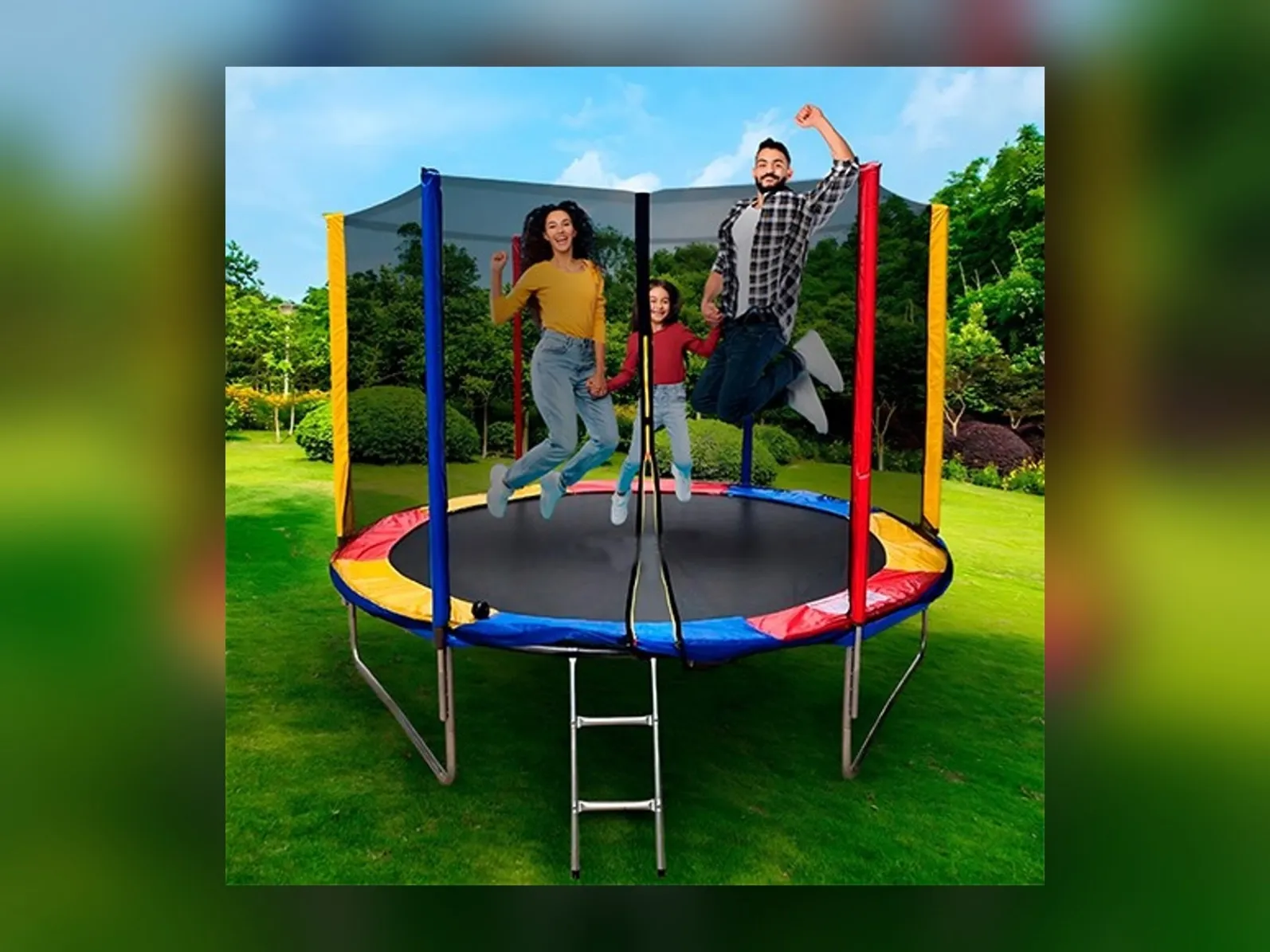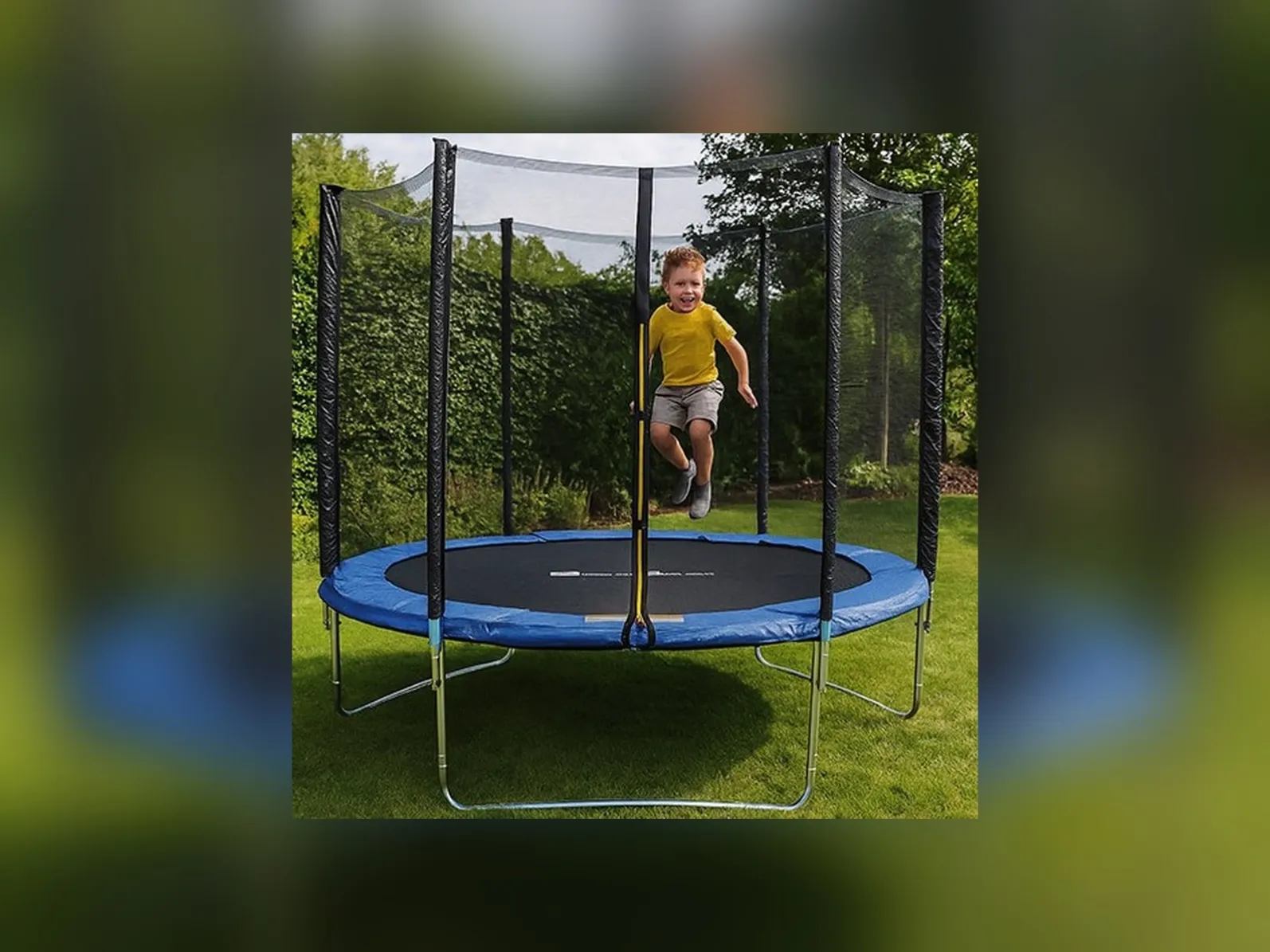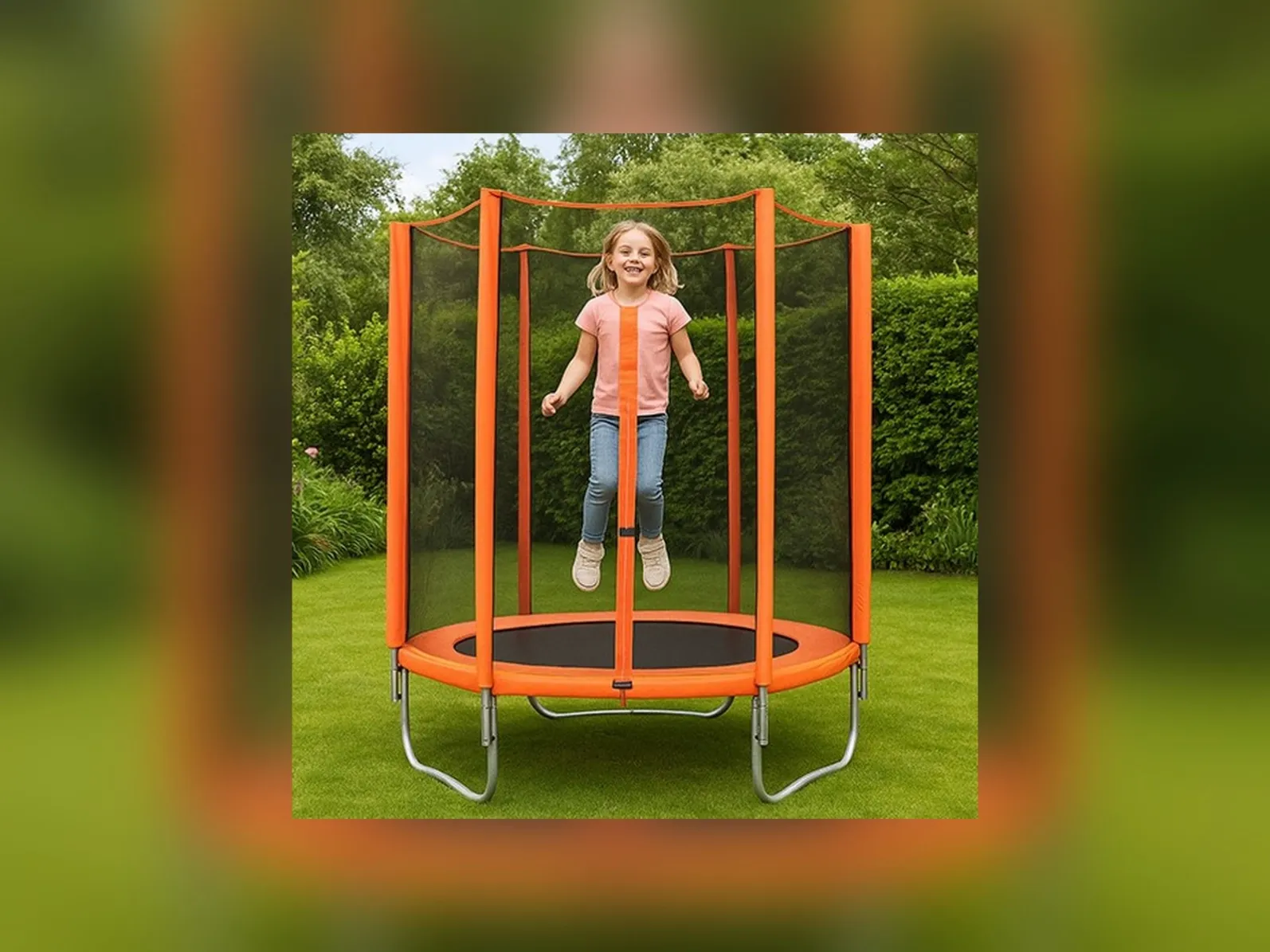
Choosing a Trampoline Supplier for Rental & Commercial Use
Choosing a trampoline supplier for rental and commercial use: heavy-use durability, spare parts continuity, insurance documentation and total cost of ownership.
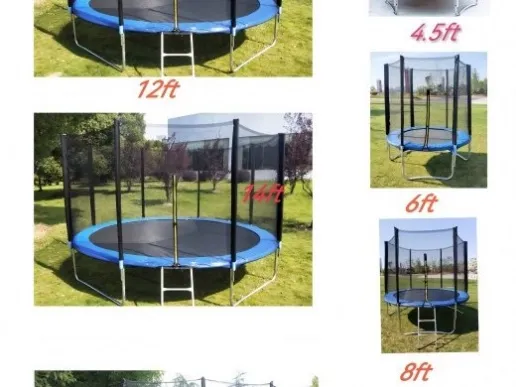
A trampoline in a rental fleet or a commercial venue lives a different life from one in a family garden: daily assembly checks, constant use by strangers, weather exposure and zero tolerance for downtime. Choosing a supplier for this use case is a different decision from choosing one for retail resale. This guide covers what changes — and it builds on the general framework in our guide to choosing a trampoline supplier.
1. Durability Is a Specification, Not a Claim
For heavy use, specify: heavier-gauge galvanized frame tube, a high-cycle jumping mat, springs rated for commercial duty, and pads and nets treated as consumables with a replacement plan — not as lifetime parts. Ask the supplier which components they expect to wear first in commercial use. A supplier who cannot answer has not supplied this use case.
2. Spare Parts Continuity Decides Your Downtime
Every day a unit is out of service is lost revenue. Before ordering, confirm: which parts are stocked for your models, typical dispatch time for parts, and how long parts support continues after a model is revised. Order a starter stock of nets, mats, springs and pads with the first shipment — the cost is small against a grounded fleet. A model such as our 16ft heavy-duty trampoline should be evaluated on exactly this basis.
3. Documentation for Insurance and Compliance
Commercial operators answer to insurers and, in many markets, to local safety inspection regimes. Your supplier should provide test reports for the exact models supplied, assembly manuals suitable for staff training, and clear user-weight and supervision guidance you can adopt into your own operating rules. If the documentation is thin, the insurance conversation will be too.
4. Total Cost of Ownership Beats Unit Price
Price the fleet, not the unit: purchase price + expected parts consumption + downtime cost + replacement cycle. A cheaper unit that consumes two nets a season and grounds for parts twice a year costs more than a heavier unit that does not. Ask suppliers for realistic parts pricing up front and model it over three seasons.
5. Commercial Terms That Matter for Operators
Confirm lead times against your season start (a fleet that arrives after the season opens has missed its year), mixed-size container options for fleet building, and how warranty claims are handled for commercial use — some warranties are written for domestic use only. Get the commercial-use position in writing before the order.
Read next: Buying Stock Trampolines: A Practical Checklist for Importers · 10 Questions Every Trampoline Buyer Should Ask Before Ordering