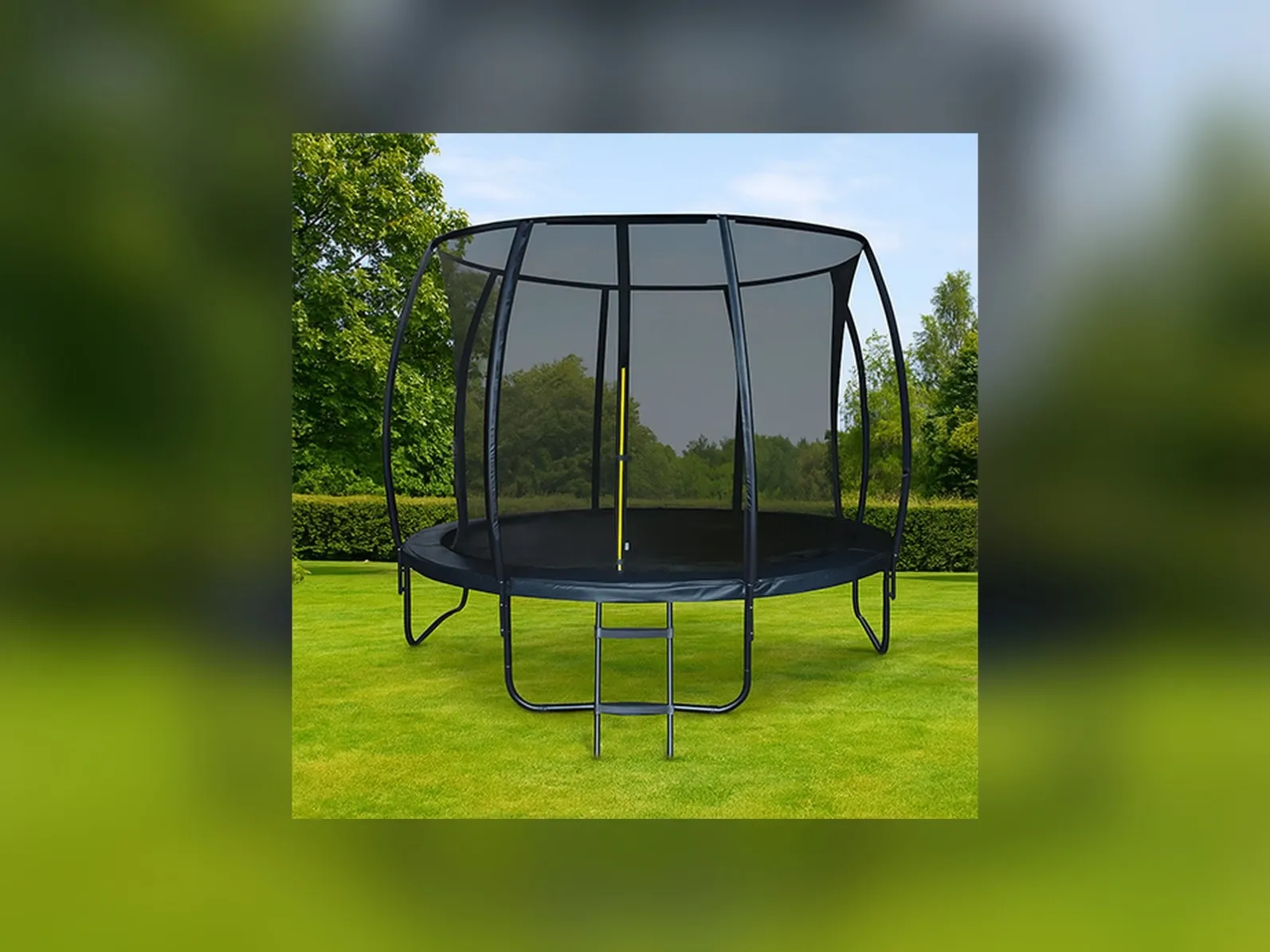
Rebounding Benefits: What Fitness Trampoline Buyers Should Know
Why rebounders sell: low-impact cardio, balance and home-fitness demand explained for buyers, plus what to check in the products behind the benefits.

Benefit claims are what sell rebounders at retail — and what get listings into trouble when they are copied carelessly. This guide takes the benefit story apart the way a buyer should: what rebounding genuinely offers the end user, why that creates durable demand rather than a fad, and which product features have to be true for the claims on your packaging to hold up.
1. The Core Benefits, Stated Carefully
Low-impact cardio. The mat absorbs a large share of each landing, so users can raise their heart rate with far less joint stress than running on hard ground. This is the benefit that opens the category to older users and people returning to exercise. Full-body engagement. Staying balanced on an unstable surface keeps the core, legs and stabilising muscles working continuously, without formal strength training. Balance and coordination. Controlled bouncing is, in effect, balance practice — a genuine selling point for active-ageing programmes. Convenience. A rebounder folds or stores small, needs no power and no subscription, and turns ten spare minutes at home into a workout. That convenience, more than any single health claim, is why the category keeps growing.
2. Why This Demand Is Durable
Three structural drivers sit behind rebounder sales. Home fitness stayed mainstream after its pandemic surge, and compact equipment fits the space people actually have. Active-ageing buyers are expanding, and low-impact formats are their entry point. And rebounding is enjoyable in a way treadmills are not, which shows up in adherence — customers keep using the product, recommend it, and do not return it. For a retailer, that combination means the benefit story can be told honestly and still sell: the honest version is strong enough.
3. The Product Features Behind the Claims
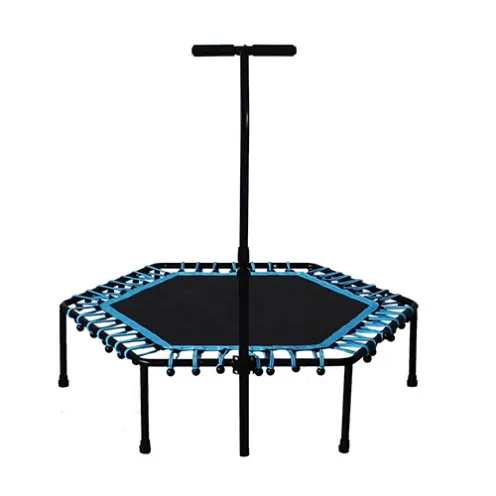
Every benefit above depends on hardware. Low impact depends on suspension tuning — bungee systems feel softer and quieter; spring systems feel firmer and more responsive. Balance training depends on frame stability and, for many users, a handlebar that does not flex at its connection. Convenience depends on the folding structure being genuinely quick, not a tools-required disassembly. When you evaluate samples, test the claims, not the brochure: bounce the unit, work the handle, fold it, and time yourself. The 45 inch bungee rebounder in our range is specified exactly this way — soft bungee suspension, an adjustable handlebar and a foldable frame — because those three features are what the benefit story stands on.
4. Claims Discipline for Sellers
A note of caution that protects your business: keep medical and numerical claims off your listings unless you hold the study they came from. Precise calorie figures, disease-related promises and "minutes equal to running" comparisons circulate widely in this category's marketing, but they are rarely substantiated to the standard EU and US regulators expect, and marketplaces increasingly remove listings that carry them. The defensible claims — low impact, balance, coordination, convenience, enjoyment — are also the ones customers can feel in the first week. Sell those.
Read next: Trampoline Parts & Materials Explained: A Component Guide for Buyers · Fitness Rebounders & Mini Trampolines: A Buyer's Product Guide