Rectangular Trampolines: A Strategic Guide for B2B Buyers and Distributors
Rectangular trampolines for B2B buyers: performance positioning, buyer segments, frame and spring structure, and how distributors build a 3–4 SKU range.
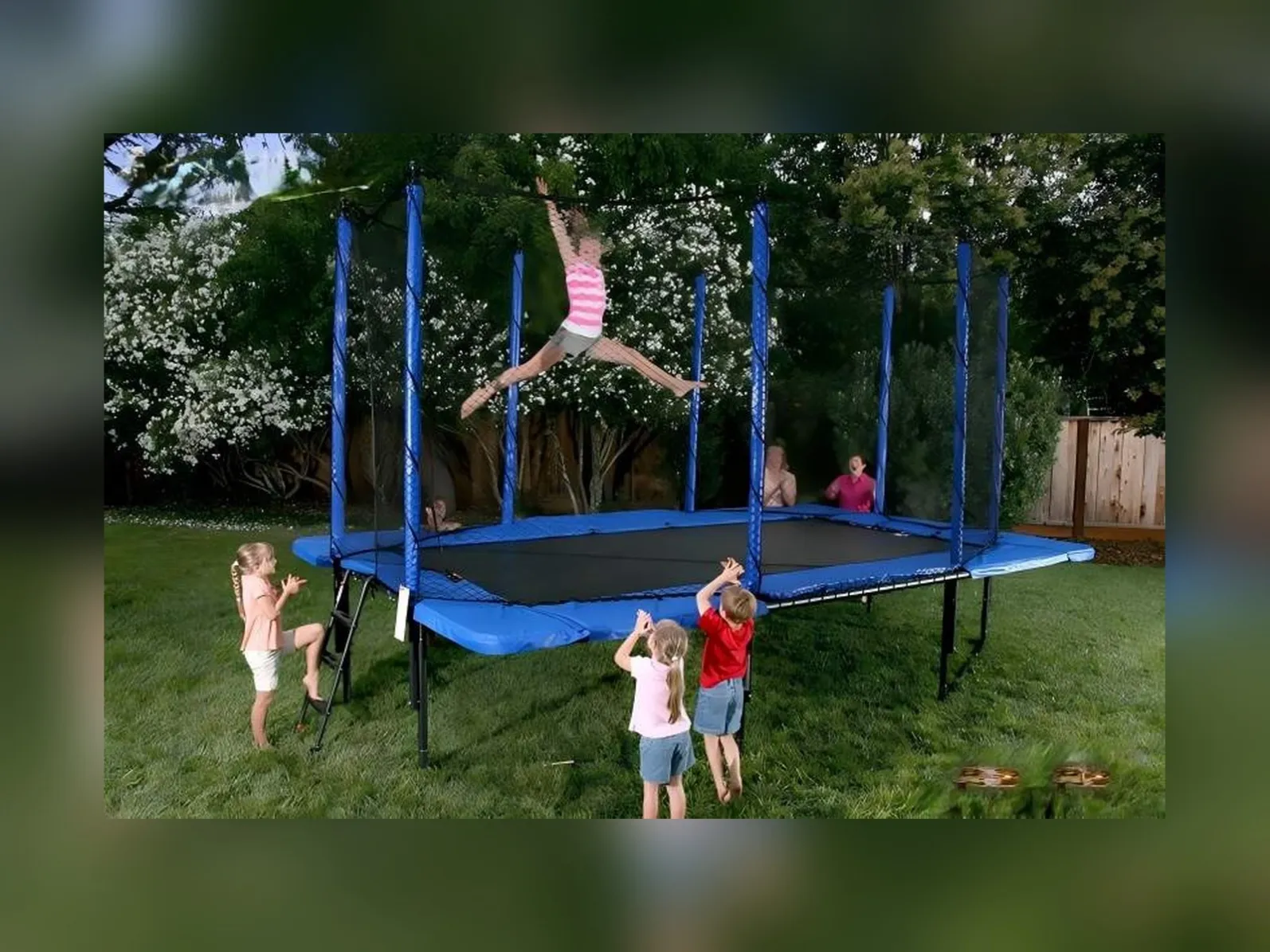
Rectangular trampolines have never been a volume product, and that is exactly why they matter in B2B. Round trampolines compete on price; rectangular models compete on performance, structure and reliability. For distributors and installers, that changes the sales conversation from "how cheap?" to "how good — and how stable over time?" This guide sets out where the category earns its place: the buyer segments, the structural details that decide field performance, and how to build a range around it.
1. Why Performance Is the Whole Story
A rectangular trampoline delivers a controlled, edge-to-edge bounce: force distributes evenly across the mat, dead zones shrink, and rebound stays predictable — which is why the shape is standard in training and premium residential settings. Commercially, predictable bounce means fewer complaints after installation, better suitability for teens, adults and athletic users, and a quality difference customers can feel in the first minute. When the difference is felt rather than argued, returns and disputes drop — and that, more than the unit price, is what protects margin. Rated capacity on our rectangular range is 150 kg, in line with the performance positioning.
2. Buyer Segments: Sell the Application, Not the Product
Rectangular models sell when they are matched to a use case. Premium residential is the largest and most stable segment: families upgrading from a round model, buying on structure and durability, expecting installation guidance and spare parts. Fitness and training users — trainers, studios, home athletes — value consistent rebound over raw size; a well-built mid-size model often outsells oversized units here. Gymnastics families arrive coach-influenced and comparison-driven: frame stability, spring response and enclosure layout decide the sale. Schools and sports facilities buy documented capacity, robust enclosures and low maintenance on rational budgets. Installers are not end users but decide brands: clear manuals, accurate labelling and batch consistency earn their recommendation. The practical range structure follows from the segments — most successful distributors run 3–4 defined SKUs (premium residential, training, youth/gymnastics, institutional) rather than a size ladder, which is also how our custom rectangle trampoline programme is quoted: by application first, dimensions second.
3. Structure: Where Rectangular Models Succeed or Fail
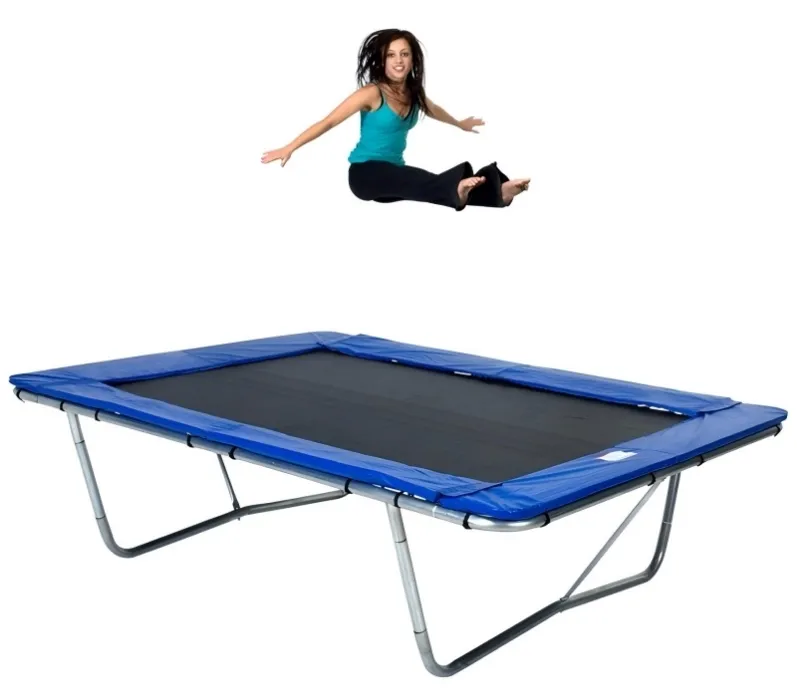
Frame geometry. Straight rails and reinforced corners spread stress across the whole frame instead of concentrating it; weak designs fail at the corners, so ask how corners are reinforced, not only what the steel thickness is. Steel and welding. In the field, poor welding causes more problems than thin steel — noise, loose joints and misalignment after a season. Specify wall thickness, weld consistency and corrosion protection inside the tube, not only on the surface. Spring configuration. Even spacing and consistent tension produce the controlled bounce the category is bought for; uneven tension shows up first at the edges. Enclosure. The net system is part of the structure: it should mount to the frame, hold tension over time and leave no gap at the mat edge. Load ratings. Judge them dynamically — ask how the rating was tested and how the frame behaves after repeated stress and spring fatigue, because a supplier who cannot explain the test usually has a theoretical number.
4. Why Rectangular Is Not More Popular — and Why That Helps You
The honest constraints are price, space and habit: rectangular models cost more to build, need a clear rectangular footprint, and sit outside most families' mental image of a trampoline. For a B2B seller, each constraint is also a filter — the customers who remain are researched, quality-led and less price-sensitive, with higher conversion on qualified leads and stronger word of mouth. The category rewards sellers who educate rather than discount.
5. Pre-Order Checklist for Distributors
- Corner reinforcement method, documented.
- Weld consistency checked across samples, not one golden sample.
- Spring count, spacing logic and tension tolerance.
- Enclosure attachment points and net tension method.
- Dynamic load test explanation behind the stated rating.
- Spare-parts compatibility across your model years.
- Compliance documentation for your market (EN 71-14 / ASTM framework) available before the order, not after it.
Read next: Oval Trampolines: A Buyer's Guide to Sizes, Safety and Sourcing · Spring vs Springless Trampolines: A Buyer's Comparison Guide