Oval Trampolines: A Buyer's Guide to Sizes, Safety and Sourcing
Oval trampolines for buyers: sizes from 7x10FT to 10x17FT, space efficiency, bounce behaviour, sourcing notes and spare-parts differences vs round models.
The oval trampoline exists to solve one problem: the garden that is long and narrow, where a round trampoline of equal jumping area simply does not fit. For buyers, it is a small but dependable niche — and one with specific sourcing traps. This guide covers the size run, the bounce behaviour and the checks that matter, as a companion to the complete trampoline size & shape guide.
1. Why the Shape Works
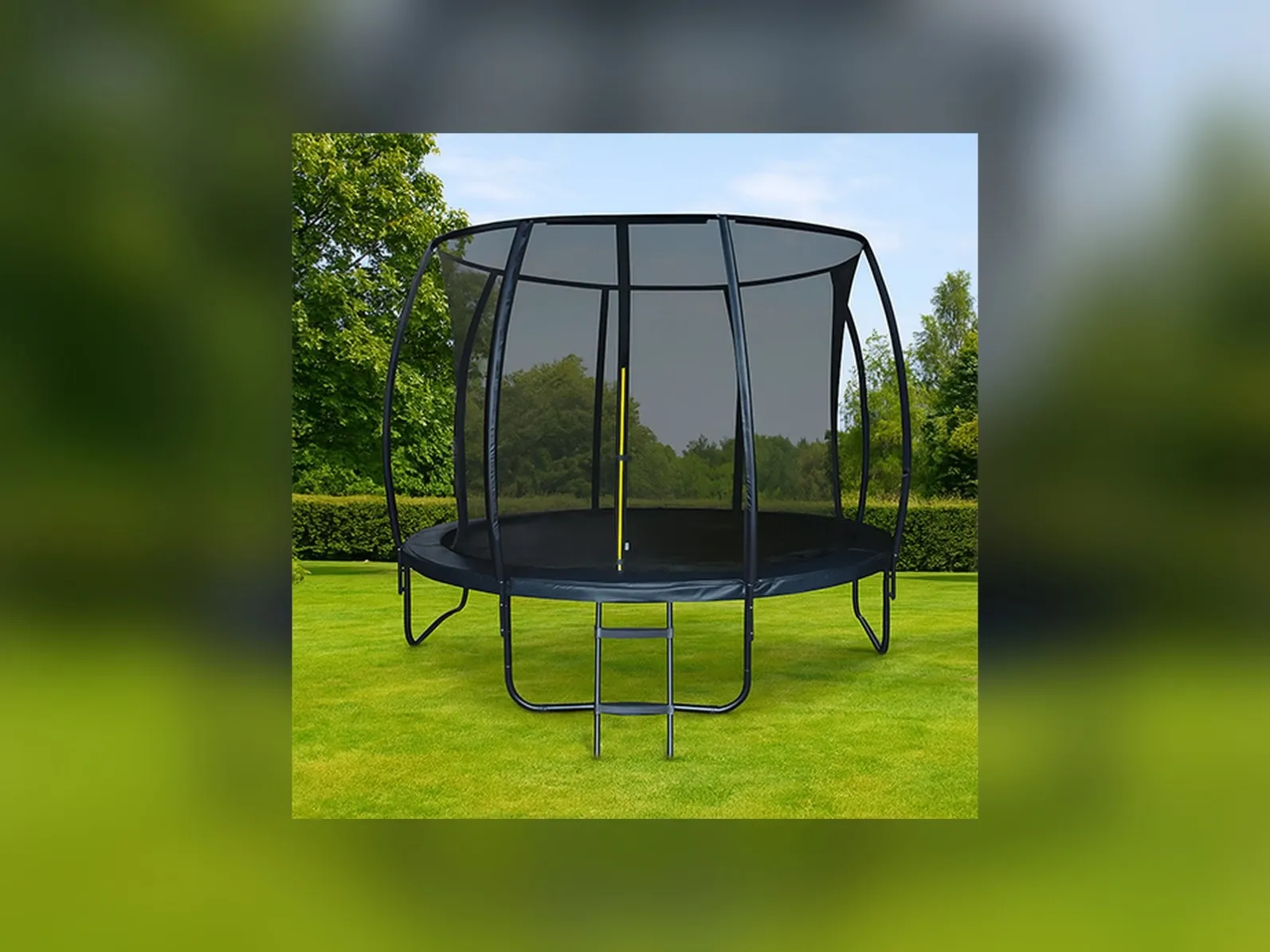
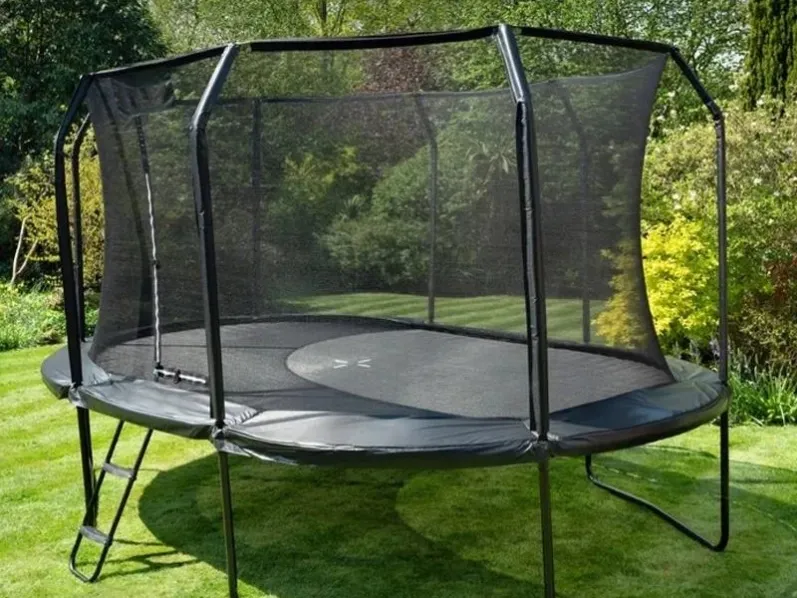
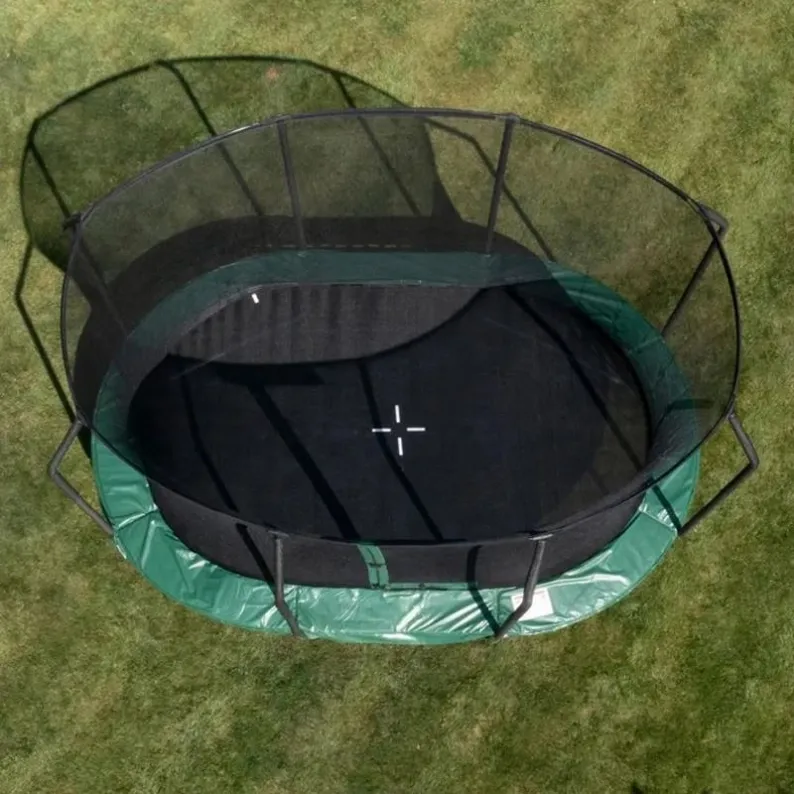
An oval frame follows fence lines and property boundaries, so it uses the strip of garden that round models waste. The bounce is a hybrid: the straight sides behave more like a rectangular bed, with a more even, predictable rebound, while the curved ends pull gently toward the centre like a round one. There are no corners, which removes the corner-impact question entirely, and the elongated bed separates multiple jumpers better than a round mat of similar area — one reason oval models hold a loyal family following despite their higher build cost.
2. The Size Run
Our oval trampoline range runs from 7x10FT to 10x17FT, rated at 150 kg across the range:
- 7x10FT — the small-garden entry size for younger children.
- 8x12FT / 9x14FT — the family middle of the range.
- 10x15FT / 10x17FT — the large sizes for teens, adults and heavy family use.
As with every shape, the listed size is the frame size, not the jumping area — and the clearance rule still applies: allow clear space on all sides, with particular care along the long sides where the bed travels furthest. Level ground is non-negotiable; level the site rather than shimming legs.
3. Sourcing Notes Specific to Oval
Parts are not interchangeable with round models. Curvature differs along the frame, and springs on the straight sections and curved ends can differ in length and tension — replacement mats, nets and springs must be sourced by model, which makes your spare-parts programme part of the product offer. Assembly is slower than an equivalent round model, because spring tension has to be distributed correctly along two geometries; manuals and support material should set that expectation honestly. Enclosures are the most complex of any shape, combining straight and curved sections, so net fit and pole alignment deserve sample-stage checking. None of this makes oval a difficult category — it makes it a considered one, bought by customers who measured first.
Read next: Dog Trampoline Beds Explained: A Guide for Pet Product Buyers · Rectangular Trampolines: A Strategic Guide for B2B Buyers and Distributors