Dog Trampoline Beds Explained: A Guide for Pet Product Buyers
Dog trampoline beds explained for pet product buyers: cooling elevated design, Teslin mesh, sizes, and what to check before adding them to your range.
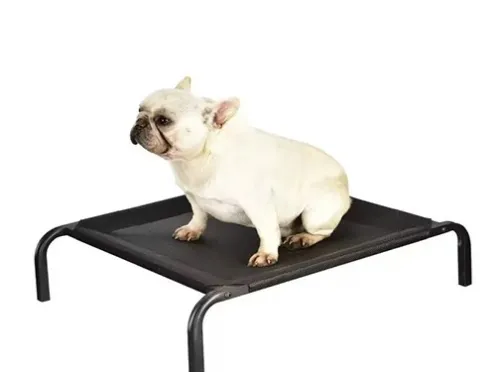
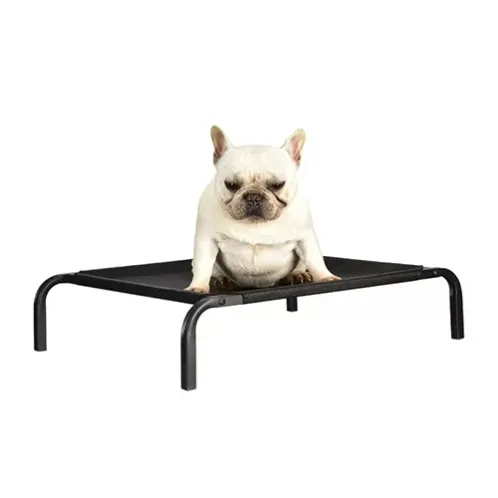
The dog trampoline bed — an elevated pet cot with a tensioned mesh surface — has become a steady seller in pet ranges, and it borrows its construction logic from trampolines: a steel frame, a suspended fabric bed, and nothing to trap heat or moisture. For pet product buyers, it is an easy category to add and an easy one to buy badly. Here is what the product is, why it sells, and what to check.
1. Why the Design Works
Cooling. The raised mesh lets air circulate under and through the bed, so the dog is not lying on trapped warmth — the core summer selling point, especially in hot-climate markets. Support. The tensioned surface distributes weight evenly instead of letting the dog sink into stuffing, which is the comfort argument for older dogs and large breeds. Hygiene. There is no cushion to absorb mud and odour: the mesh wipes down or hoses off, and elevation keeps the dog off damp ground, insects and allergens. Durability. A powder-coated steel frame and tear-resistant mesh (Teslin-type fabric is the common specification) survive outdoor use in a way plush beds do not. Note the surface is firm and stable by design — despite the name, it is a resting product, not a bouncing one, and listings should not imply otherwise.
2. Sizes and Range Structure
Our elevated dog bed line runs in three sizes, matched to dog size rather than room size:
- Medium (65 × 87 cm) — mid-size breeds such as Border Collies and Australian Shepherds.
- Large (80 × 105 cm) — Labradors, German Shepherds and similar.
- Extra-Large (90 × 124 cm) — the giant breeds, Great Danes and Mastiffs.
The sizing rule to print for customers: the dog should be able to lie fully stretched without hanging over the edges. When you evaluate samples, check the mesh tension (it should not sag to the frame under load), the frame's foot stability, and the corner connections — those three decide both reviews and returns.
3. Buying Checks
- Confirm the rated capacity for each size separately with the supplier — do not assume one figure covers the whole range.
- Check mesh material and replacement availability; the mesh is the wear part.
- Verify frame finish for outdoor positioning (powder coating over steel, capped feet).
- Confirm packed format — flat-pack frames ship far more efficiently than assembled ones, which decides the landed margin on a bulky, low-ticket item.
Read next: Do You Need a Ladder for Outdoor Trampolines? · Oval Trampolines: A Buyer's Guide to Sizes, Safety and Sourcing