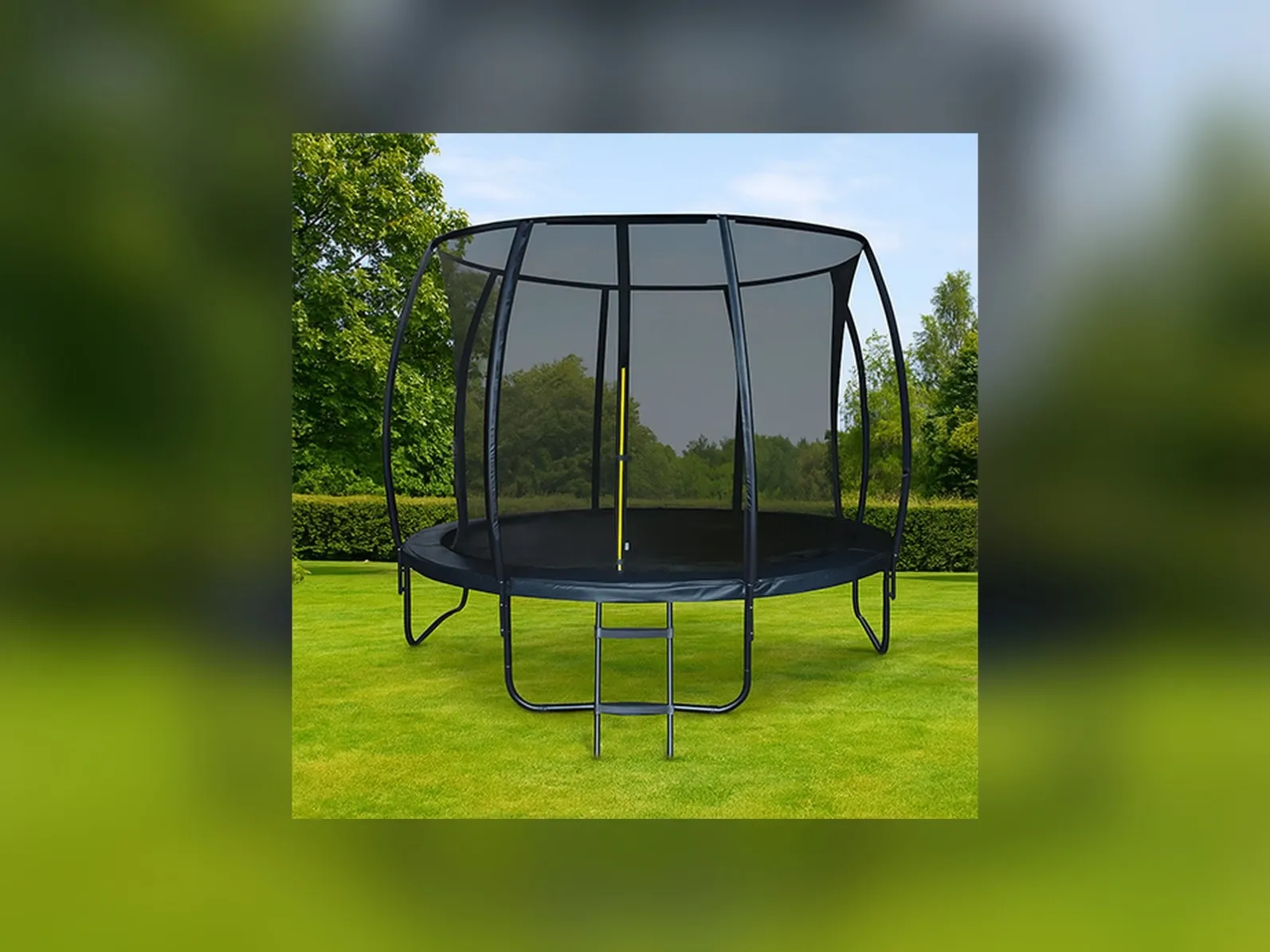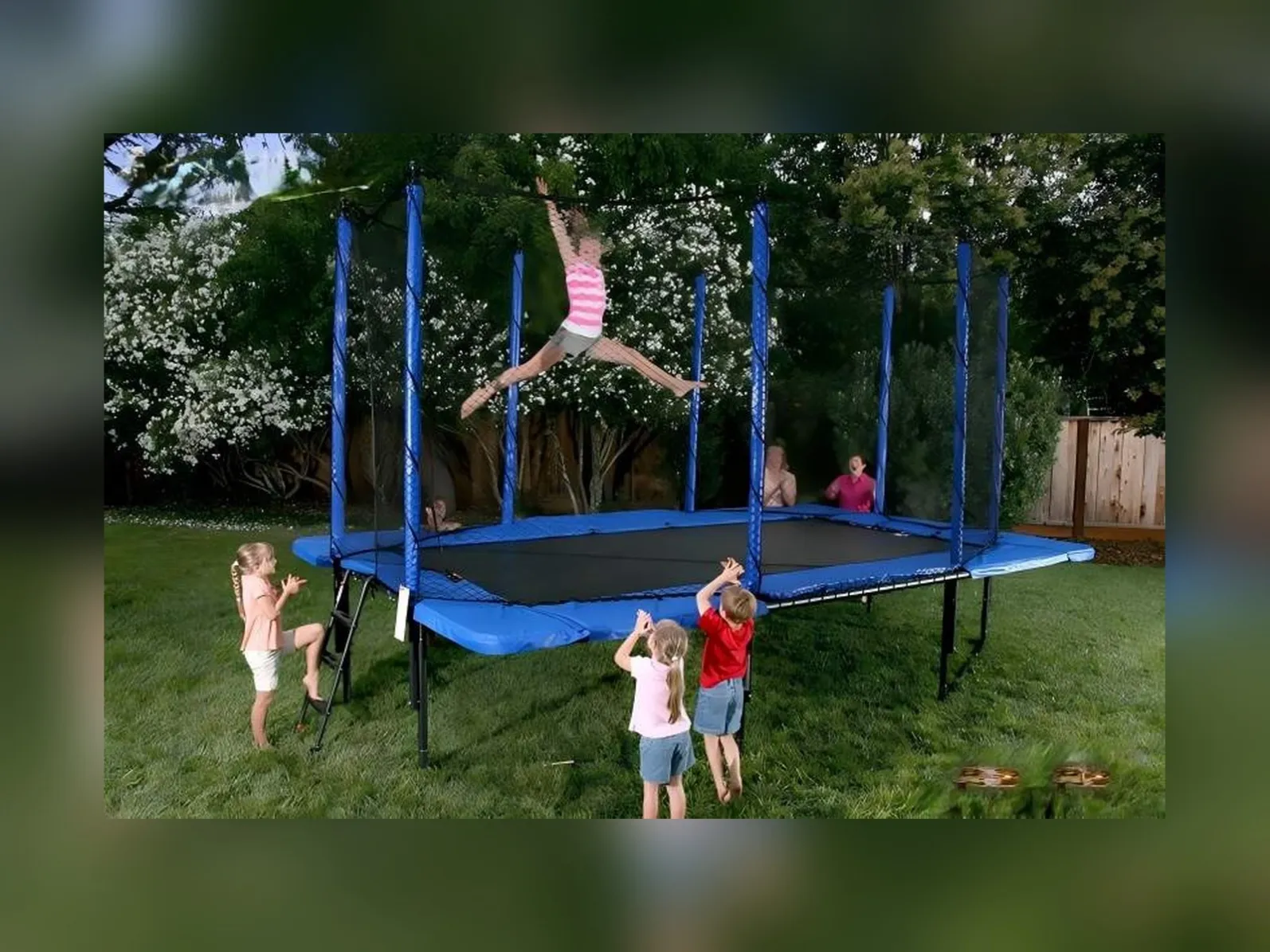
Spring vs Springless Trampolines: A Buyer's Comparison Guide
Spring vs springless trampolines compared for buyers: bounce, safety design, spare parts, maintenance and which type fits which retail market.
Springless trampolines have moved from a premium curiosity to a permanent shelf category, and buyers now have to decide how much of the range they take. This comparison is written from the factory side of both designs: how each system works, where each one genuinely wins, and what the choice means for spare parts, maintenance and margin after the sale.
1. How the Two Systems Work
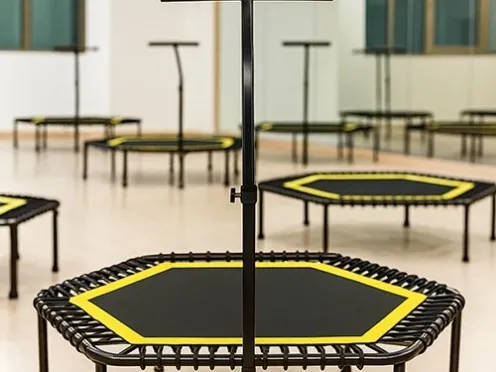
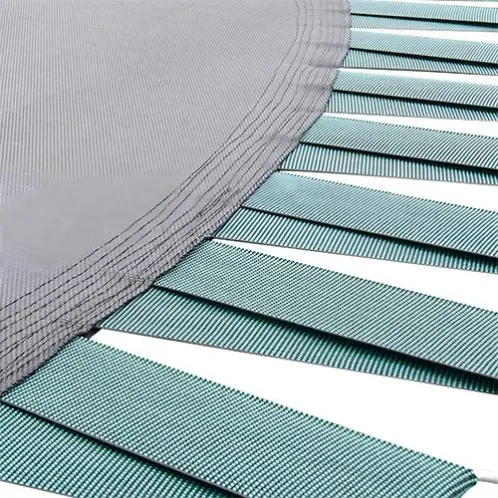
A spring trampoline tensions its mat with steel coil springs around the frame — the design the entire global parts ecosystem is built around. A springless trampoline replaces the coils with an alternative tension system: flexible composite (fiberglass) rods beneath the mat, wide elastic bands, or leaf-spring arrangements. Rod-based designs are the most recognised in the backyard market. They need more complex moulds and custom components, which is the structural reason springless models cost more to produce — our own springless trampoline line uses the elastic-band system, which keeps the design serviceable with standard band replacements.
2. Bounce and User Experience
Springs give the higher, faster, more responsive bounce — which is why sports and gymnastics use stays on springs, and why teenagers and active users usually prefer them. Rod and band systems feel softer and slower, with a gentler return that suits younger children and casual family use. Springless designs also run quieter, with no metal-on-metal squeak, which matters for indoor use and noise-sensitive neighbourhoods. Neither feel is "better" in the abstract: they serve different users, and listings that promise the same bounce from both systems create returns.
3. Safety Design: Different, Not Absolute
The springless safety case is real but specific: no exposed springs means no pinch points at the edge, and with the frame sitting below the jumping surface in rod designs, edge impacts are softer. The spring case is equally specific: a spring trampoline's hazards live in its execution — thin pads that expose the springs, weak frames, poor nets — not in the spring itself. A well-built spring trampoline with full pad coverage and a proper enclosure is a safe product; a badly built springless model is not made safe by its concept. Buy on construction quality within each system, not on the concept label.
4. Spare Parts, Maintenance and Total Cost
This is where the ranges diverge commercially. Spring trampoline parts are universal and inexpensive: a spring, a mat or a net can be sourced by size from almost any supplier, and most repairs are DIY in minutes. Springless systems — rods especially — are brand-specific: replacements come from the original manufacturer, cost more, and may not exist at all if the brand exits the market. For distributors, that cuts both ways: springless models carry premium pricing and margin, but they oblige you to stock proprietary parts and honour a longer support tail. Spring models carry thinner margins and almost no parts risk. Most mature ranges therefore run springs as the volume base and springless as the premium tier, priced to include its support cost.
5. Which Type Fits Which Market
- Mass retail and price-led markets: spring models — lowest unit cost, universal parts, fastest turnover.
- Premium family positioning: springless models — design-led appearance, quiet operation, safety-led marketing.
- Sports, gymnastics and teen segments: spring models — bounce performance is the purchase reason.
- Markets with strong after-sales expectations: weigh the parts question first; a springless line without a parts programme is a liability.
Read next: Rectangular Trampolines: A Strategic Guide for B2B Buyers and Distributors · Trampoline Safety Nets: Materials, Designs and How to Choose