Kids Trampolines with Safety Net: A Product Guide for Retailers and Importers
Kids trampolines with safety nets, indoor models and mini trampolines with handles: what retailers and importers should check before stocking each category.
Kids trampolines are not one product. A retailer who stocks them well is really stocking three different categories — outdoor models with enclosures, indoor models with nets, and mini trampolines with handles — each with its own age group, safety structure and price point. This guide walks through the three categories and the checks that matter before you commit to a range.
1. Outdoor Kids Trampolines with Enclosure Nets
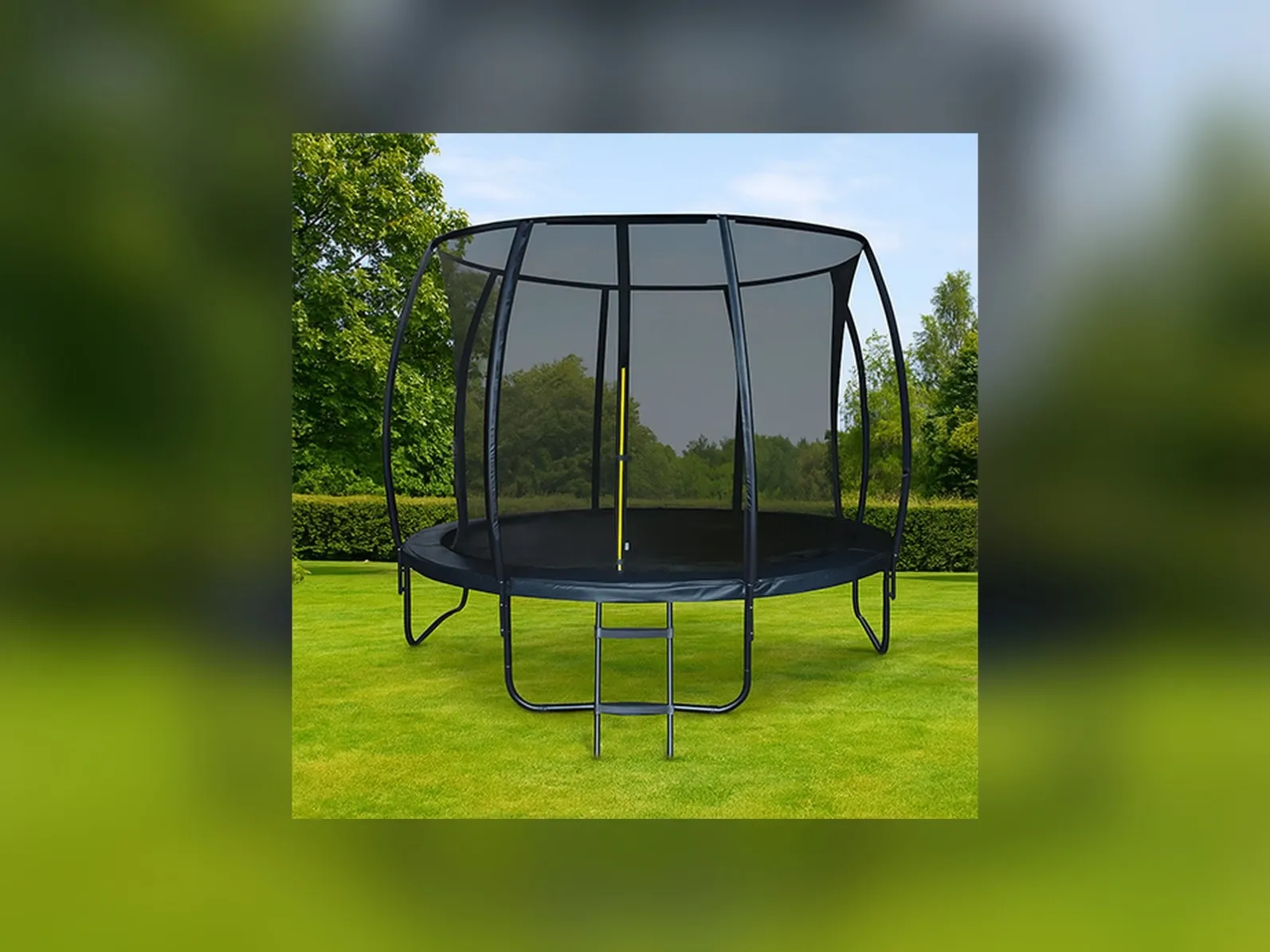
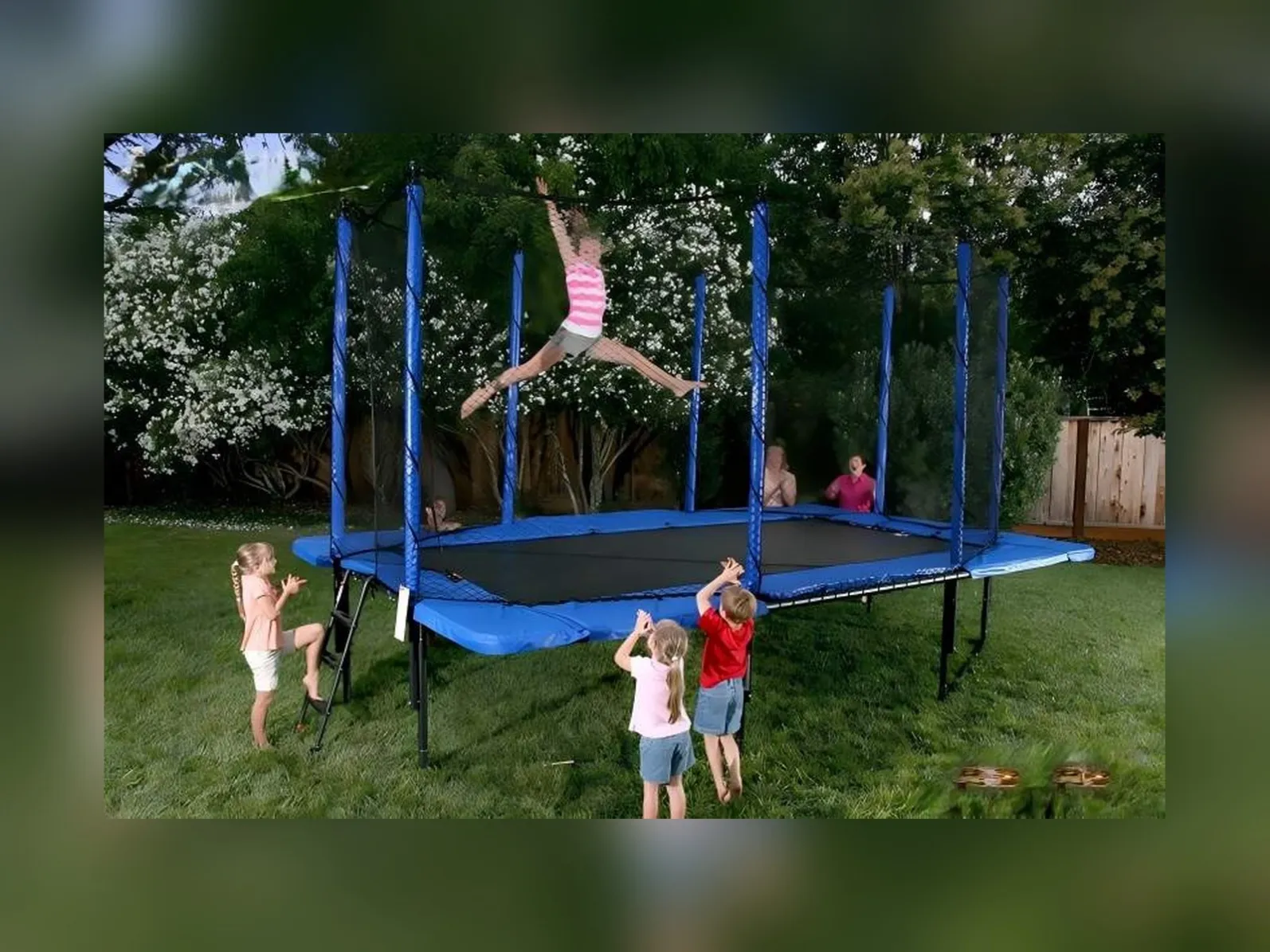
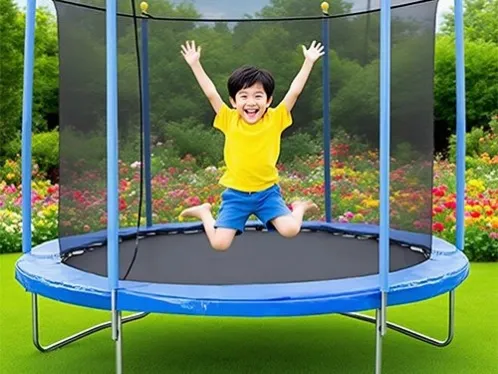
The classic backyard format. The enclosure net is not an accessory on this category; it is the product's main safety system, and it should be specified like one. Check that the net is UV-resistant polyethylene, attached to the frame rather than the springs, and closed by a self-closing, latching entrance that a child cannot leave hanging open. Frames should be galvanized steel with rust protection suited to outdoor use, and the spring area fully covered by a padded, securely fixed cover. Age positioning matters: standard large models are a 6–12 product, not a toddler product, and your listings should say so plainly.
2. Indoor Kids Trampolines with Nets
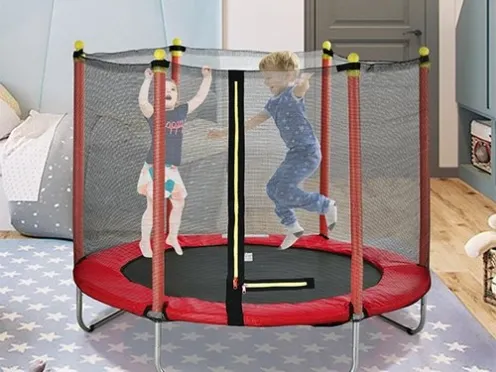
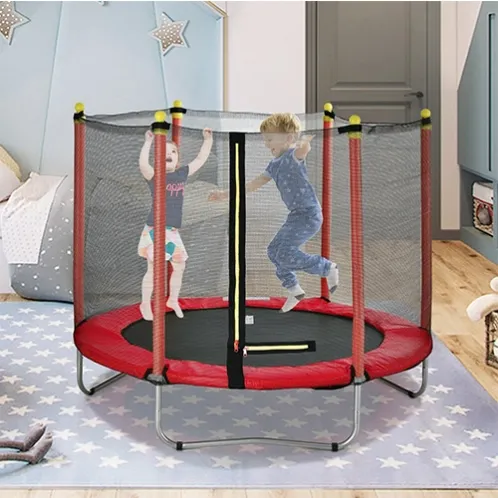
Indoor models sell on a different promise: active play in apartments and playrooms, in any weather. The buying checks shift accordingly — lower frame height and a wide, stable base; non-marking rubber feet that protect floors and stop sliding; honest ceiling-clearance guidance (allow generous headroom above the mat); and noise, where elastic-band suspension is noticeably quieter than metal springs in upstairs rooms. The enclosure matters just as much indoors, because the fall zone is furniture and hard flooring rather than grass.
3. Mini Kids Trampolines with Handles
The third category is a first-trampoline product for the youngest users. The handlebar is the defining feature: it must be rigidly anchored, foam-covered, and at a height a small child can grip without hunching. A wide-legged base matters more than a headline load figure, because tipping — not frame failure — is the realistic risk. Band-suspension models remove the pinch points of exposed springs and run quieter, which is why they dominate the toddler end of the market. Our best-selling format here is the 4.5FT kids trampoline with enclosure net, rated at 50 kg — the size that fits both indoor playrooms and small gardens, which is exactly why it outperforms larger kids models online.
4. What Separates a Good Kids Range From a Risky One
Across all three categories, the same failure points decide reviews and returns: nets that tear at the stitching, pads that fade and crack after one season, frames that rust because the steel protection was cosmetic, and shipments that arrive after the selling season. The countermeasures are specification-level: knotless, high-tenacity netting; UV-stabilized mat and pad materials; galvanized frame protection; and a production schedule planned backwards from your season, not forwards from the order date. On standards, look for designs tested to the applicable market standards — ASTM F381 in North America and the EN 71 series in Europe — and ask for the reports rather than a logo on the carton.
5. Building the Assortment
Stock the three categories as a ladder, not as substitutes: mini-with-handle for the youngest, indoor-with-net for space-limited families, outdoor-with-enclosure for the backyard mainstream — our children's trampoline with enclosure line covers the 4.5FT–5FT core of that ladder. One rule protects every tier: never relabel an adult mini trampoline as a children's product. Age grading, warnings and packaging must match the actual design, or the liability lands on the seller.
Read next: Fitness Rebounders & Mini Trampolines: A Buyer's Product Guide · Trampoline Size & Shape Guide: Choosing the Right Models for Your Market