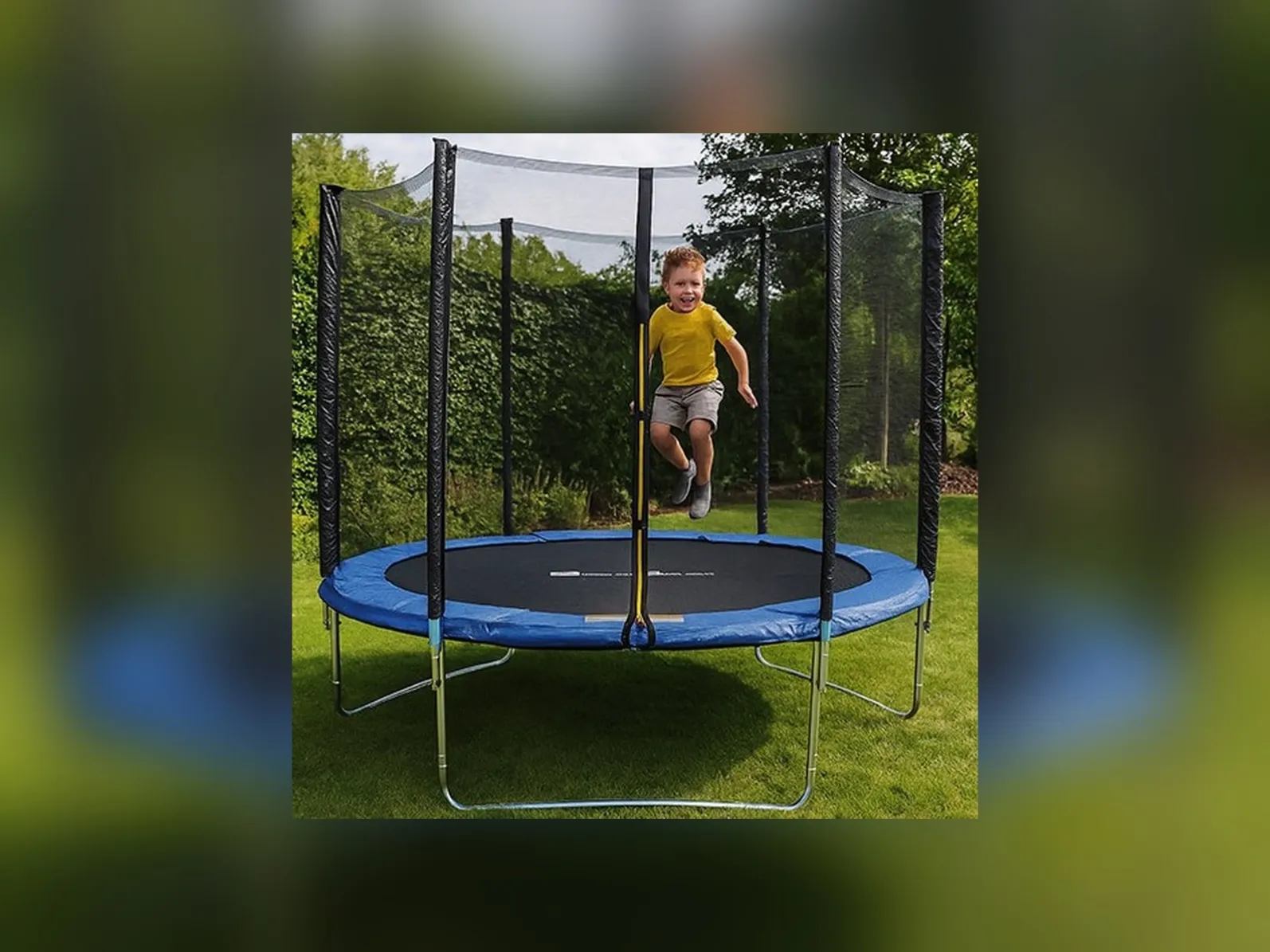
Scaling a Trampoline Business in Europe: Standards, Stock and Strategy
Scaling a trampoline business in Europe: EN71-14 compliance, UV and corrosion specs for European climates, warehousing, seasonality and channel strategy.
Europe is not one trampoline market. It is a set of markets with one compliance core, several climate zones and very different retail structures. This guide covers what a trampoline brand or importer must get right to scale across them — standards, specifications, stock planning and channels — and builds on the supplier framework in choosing a trampoline supplier.
1. Compliance: EN71-14 Is the Floor, Not the Ceiling
Domestic trampolines sold in the EU must meet EN71-14; commercial use brings additional national requirements in several member states. Build your documentation pack once — test reports per model, technical files, labelling in destination languages — and keep it current as models change. Retail chains and marketplaces will ask for it before the first order, not after.
2. Specifications by Climate Zone
Northern Europe needs frost and snow-load thinking; the Mediterranean needs maximum UV packages; coastal regions everywhere need the strongest corrosion protection you can specify. Rather than one "European spec", define two or three climate configurations and allocate them by destination. A model developed for this market — our fiberglass rod trampoline — is an example of designing to the region rather than adapting afterwards.
3. Stock and Seasonality
European trampoline sales concentrate in spring and early summer, with a secondary gift peak. Scaling means stocking ahead of the curve: containers landed before the season, a European warehouse or 3PL position for replenishment, and spare parts stocked with the same discipline as finished goods. The importers who grow are the ones who are never out of stock in May.
4. Channel Strategy
Marketplaces reward price and availability; garden-centre and sports retail reward range and brand; direct-to-consumer rewards content and service. Most scaling brands run a deliberate mix — and protect channel relationships by differentiating models or configurations per channel instead of selling the identical unit everywhere at different prices.
5. After-Sales as the Growth Engine
In Europe's review-driven retail environment, after-sales performance is marketing. Fast spare-parts supply, clear manuals and honest warranty handling convert into ratings that lower your acquisition cost across every channel. Budget for it as growth spending, not as overhead.
Read next: Trampoline Mat Sourcing Guide: Materials, Stitching and UV Standards