What Is a Pumpkin Trampoline? A Guide for Buyers
What is a pumpkin trampoline? The curved-pole design explained for buyers: frame, pad and stitching quality checks behind the retail trend.
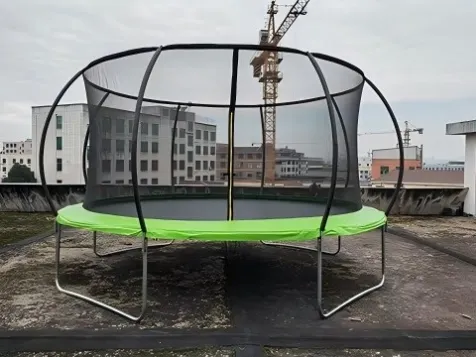
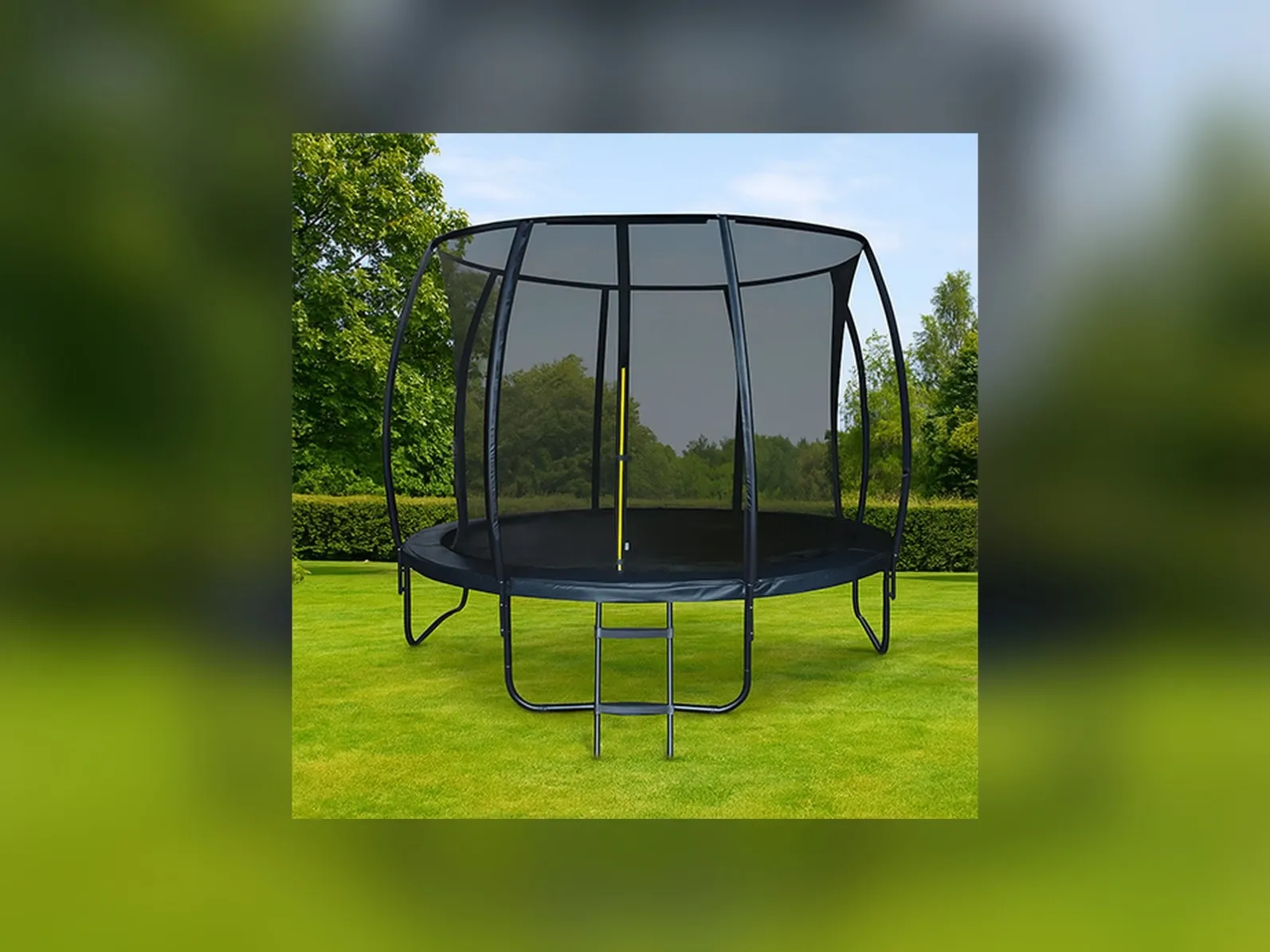
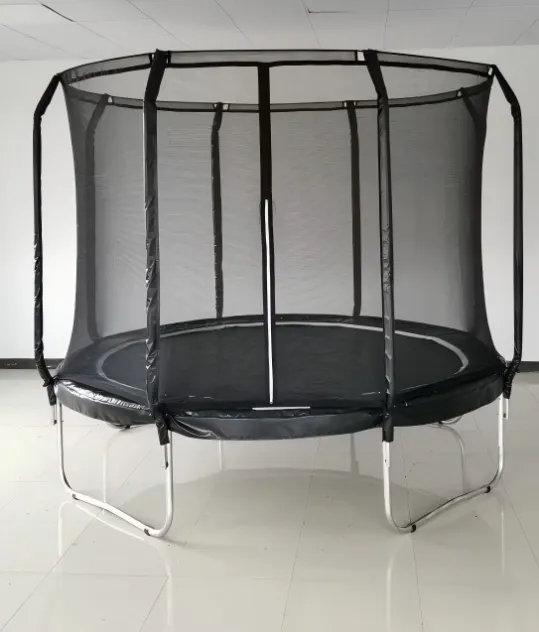
A pumpkin trampoline is a round outdoor trampoline built with curved enclosure poles, so the net bows outward and the whole structure takes on a rounded, pumpkin-like profile. It began as a design-led trend in the US market — the kind of product that earns its clicks on appearance — and it is travelling the usual route into European ranges. Our full trampoline size and shape guide places it among the round family; this guide covers what makes the design different to manufacture, and what buyers should verify before riding the trend.
1. Why the Design Sells — and Strains
The curved poles do two things at once. Visually, they give the product a soft, enclosed, premium look that photographs exceptionally well in marketplace listings — our multicolor trampoline with safety net uses the same curved-pole architecture. Structurally, the curve moves the net away from the poles and the jumping area, which parents read — correctly — as a safety feature. But curved geometry also distributes stress unevenly and loads the frame connections harder than a straight-pole design. That is why cheap versions of this product fail early: the design is less forgiving of weak joints and thin steel than a standard round trampoline.
2. The Three Quality Checks That Decide This Product
Frame joints. Ask how the frame connects: welded T-connector systems hold curved geometry true; plug-in or screw-only joints work loose under the asymmetric load. Tube wall thickness belongs in the same question. Pad material. The classic complaint in this category — "the pad cracked after one summer" — is a material decision: PE pad covers crack under UV; specify UV-resistant PVC with sealed edges and proper foam density. Mat stitching. Stitching rows at the mat's V-ring attachment carry the full dynamic load; more rows and sound thread are the difference between a mat that lasts and one that tears at the edge. Verify all three on samples, in writing, before the trend's selling window opens — in design-led categories, the return rate is decided at the sample stage, not the marketing stage.
3. Positioning for Your Market
The pumpkin format is a premium, design-led line, not a price line: it performs in online channels where the photograph does the selling, and it suits markets where safety perception and appearance drive the purchase. European buyers should note the pattern from previous US-led trends — demand arrives with a delay, and the winners are the distributors who secured a reliable build before the design commoditizes. Pair the trend with industrial-grade basics (frame, pad, stitching) and it is a margin product; chase it on price alone and it becomes a returns product.
Read next: Can You Put a Roof on a Trampoline? Canopy Options Explained · Why Outdoor Trampolines Need a Shoe Storage Bag