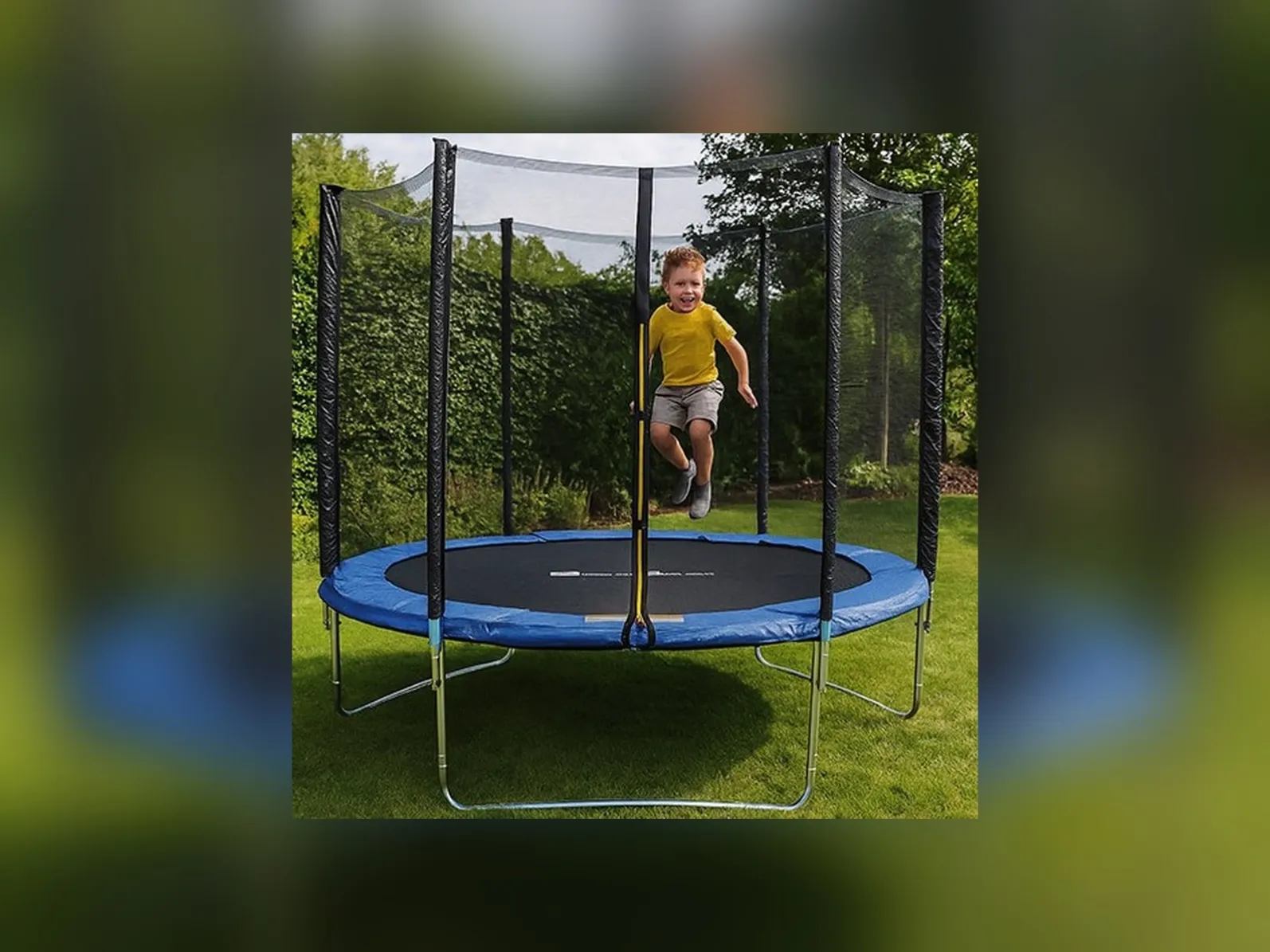
Trampoline Procurement Planning: Seasons, Holidays and Peak-Season Stocking
Trampoline procurement planning for importers: work back from the arrival date, plan around Chinese holidays and freight peaks, and lock specs before production.
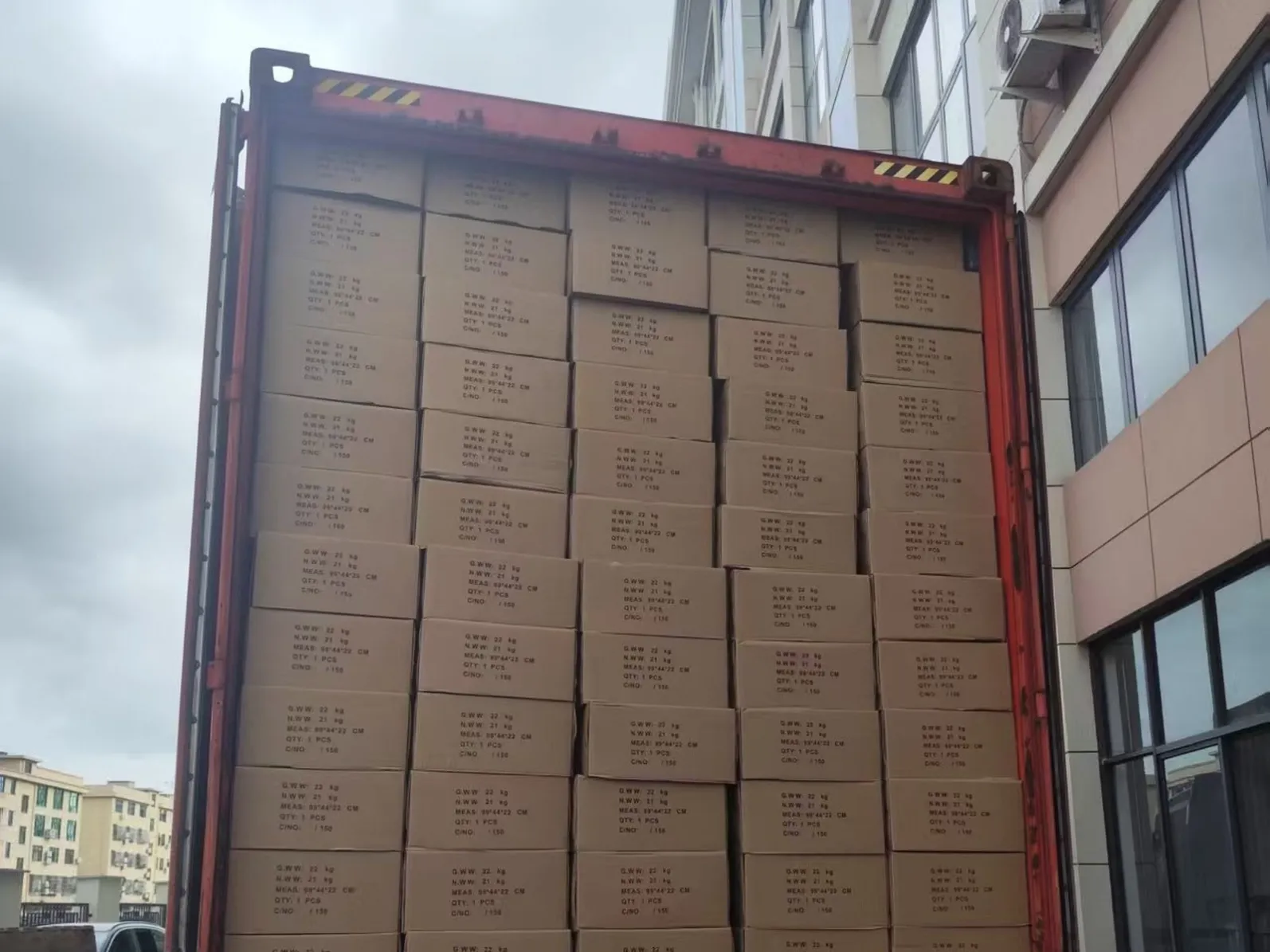
For trampoline importers, distributors, retailers and private-label brands, the peak purchasing window concentrates every risk at once: full factory order books, Chinese public holidays, limited inspection time, volatile ocean freight and the approaching Chinese New Year shutdown. A purchase order can look comfortable on production time alone and still miss its selling season. This guide shows how to plan backwards — from the date the goods must be on your shelf.
1. Begin With the Required Arrival Date
The first question is not "when can the factory finish production?" It is "when must the products arrive at our warehouse?" A realistic timeline includes:
- Product and quotation confirmation
- Sample or pre-production sample approval
- Logo, colour and packaging artwork approval
- Raw material and component preparation
- Mass production
- In-process and final inspection
- Container booking and trucking
- Export customs declaration
- Ocean transportation
- Import customs clearance
- Local delivery and warehouse receiving
Before confirming an order, request both the estimated cargo-ready date and the estimated shipment date. A factory can finish on time and the shipment can still miss its vessel because artwork was approved late or the inspection was not arranged.
2. Plan Quantities by Category and Season
Not every buyer has the same peak. European and North American buyers plan for Christmas promotions and the following spring season; buyers in Australia, New Zealand, Chile and Argentina prepare for the Southern Hemisphere summer; fitness distributors prepare indoor products for New Year demand. Before fixing quantities, review last year's sales in the same period, current inventory, fast- and slow-moving sizes, planned promotions, safety stock and your spare-parts inventory. Large garden trampolines, children's trampolines and fitness rebounders have different sales cycles — forecast them separately. Seasonal promotions only work when the stocking decision precedes them by a full production-and-freight cycle; timing, not discount depth, is what usually decides a promotion's result.
3. Plan Around China's Holiday Calendar
China's official holiday dates are only part of the picture: production, component supply, packaging, trucking and communication slow before a holiday and take time to normalize after it. The critical windows for trampoline buyers:
- Mid-Autumn Festival & National Day (late September – early October): a short break immediately followed by the week-long National Day holiday. Orders needing September or early-October production should have specifications, artwork, payment and inspection confirmed as early as possible.
- New Year's Day (January 1): a shorter interruption, but year-end inventory checks, bank processing and carrier schedule changes still slow coordination.
- Spring Festival (Chinese New Year): the longest shutdown of the year. Workers begin leaving before the holiday; component, printing and packaging suppliers stop accepting orders earlier than the assembly factory; capacity tightens from mid-January and normal production typically stabilizes again in late February to early March.
For kids trampolines with nets in particular, Chinese New Year planning is decisive: these are gift-season products in many markets, and a missed February vessel cannot be recovered before spring. Ask your supplier for their actual dates — the final order-confirmation date before the holiday, when component suppliers stop, the last realistic production-completion date, and when normal production resumes. Our own notice for the coming season is published here: Chinese New Year production schedule notice.
4. Allow for Ocean Freight Volatility
Peak-season freight brings higher rates, blank sailings and rolled bookings. Confirm whether the sailing is direct or transshipment, what happens if it is cancelled, how long the freight quotation stays valid, and how much free time you have at destination. Build the freight buffer into the arrival-date calculation in section 1 — not as an afterthought. Buyers serving regional peaks (for example, Mexico's holiday and Día de Reyes season) should work back from the local retail calendar in the same way.
5. Confirm the Product Mix and Container Plan
Decide the model and size mix before production, and confirm how it loads: mixed containers spread risk across sizes but complicate packing control; single-model containers simplify inspection. Confirm carton dimensions, gross weights and loading quantities in writing, and make sure spare parts are planned into the same shipment rather than ordered after the first customer complaint.
6. Lock the Specification Before Production
Every late change costs more than the change itself: re-approved artwork, re-made packaging, re-scheduled inspection. Before the deposit, freeze the full specification — model, size, materials, colours, logo placement, packaging, manuals and labelling — and record it in the purchase order. Peak season is the worst time to discover that the approved sample and the production order describe different products.
7. Verify Compliance Early
Testing and documentation have their own lead times. Confirm which standard applies in your market, whether valid test reports exist for the exact models ordered, and whether any model change triggers re-testing. Leave compliance to the end and it becomes the reason a finished order cannot ship.
8. Control Quality When the Factory Is Busy
Peak season means overtime and temporary labour — exactly when mixed, missing or incorrectly packed components become more likely. Ask how the factory separates similar parts for different sizes, whether hardware kits are checked before cartons are sealed, whether each carton has an approved weight range, and whether sealed cartons are randomly reopened and sample trampolines assembled from finished cartons. The goal is a documented system for preventing mistakes, detecting them before shipment and correcting them transparently. Planning a season order of our 14ft trampoline range or any other size follows the same discipline.
9. Confirm Commercial and Shipping Terms in Writing
Before paying the deposit, obtain written confirmation of: unit price and currency, Incoterm, MOQ, payment terms, quotation validity, production lead time, packaging details, inspection arrangement, loading quantity, cargo-ready date, shipping documents, warranty coverage, spare-parts policy and the quality-claim procedure. The lowest unit price does not always produce the lowest landed cost — inefficient packaging, inconsistent specifications and high after-sales rates all add cost after the vessel sails.
Final Procurement Checklist
- Required arrival date set, with the full timeline worked backwards from it
- Quantities forecast by category, with safety stock and spare parts included
- Chinese holiday windows checked against production and shipping dates
- Freight validity, routing and cancellation plan confirmed
- Product mix, container plan and carton data confirmed in writing
- Specification, artwork and packaging frozen before the deposit
- Compliance documents verified for the exact models ordered
- Peak-season quality controls and inspection arrangement agreed
- All commercial terms confirmed in writing
Read next: Trampoline Prices Explained: Cost Factors for Importers · Sourcing Kids Trampolines: The Ultimate B2B Buyer's Guide