Round Trampoline Wholesale Guide: Sizes, Pricing and Buying Plans
Round trampoline wholesale guide for importers: size selection by market, why configuration drives price, packaging costs, compliance and OEM options.
For importers, wholesalers, distributors and online retailers, round outdoor trampolines remain the core of the family backyard category. But purchasing priorities differ sharply by market and season — and four factors decide whether a wholesale program makes money: size selection, product configuration, packaging, and safety compliance. This guide works through each one.
1. Different Markets, Different Purchasing Priorities
South America: buyers prepare for the summer season and Christmas promotions in the final quarter. Competitive wholesale pricing, popular size combinations, packaging efficiency and replacement-parts availability matter most — and buyers should distinguish stock already available locally from new overseas orders that will arrive later.
Europe: Q4 is when distributors review ranges and plan the next season. Price-sensitive channels may take economical configurations; premium garden ranges need upgraded padding, enclosure structures and frame specifications. Testing documentation, labelling and instructions must be confirmed before orders are finalized.
United States & Mexico: purchasing follows e-commerce events and holiday sales — Black Friday, Cyber Monday, Christmas, and Día de Reyes in Mexico. For online sellers, carton dimensions, gross weight, domestic delivery costs and packaging durability can matter as much as the factory price.
2. Choosing the Right Sizes for Your Market
Do not select by diameter alone. Match sizes to your customers, channel and price points:
- 6FT — compact, entry-level garden range
- 8FT — smaller backyard range
- 10FT — standard family outdoor range
- 12FT — mainstream family garden range
- 14FT — larger backyard range
- 16FT — large garden and upgraded range
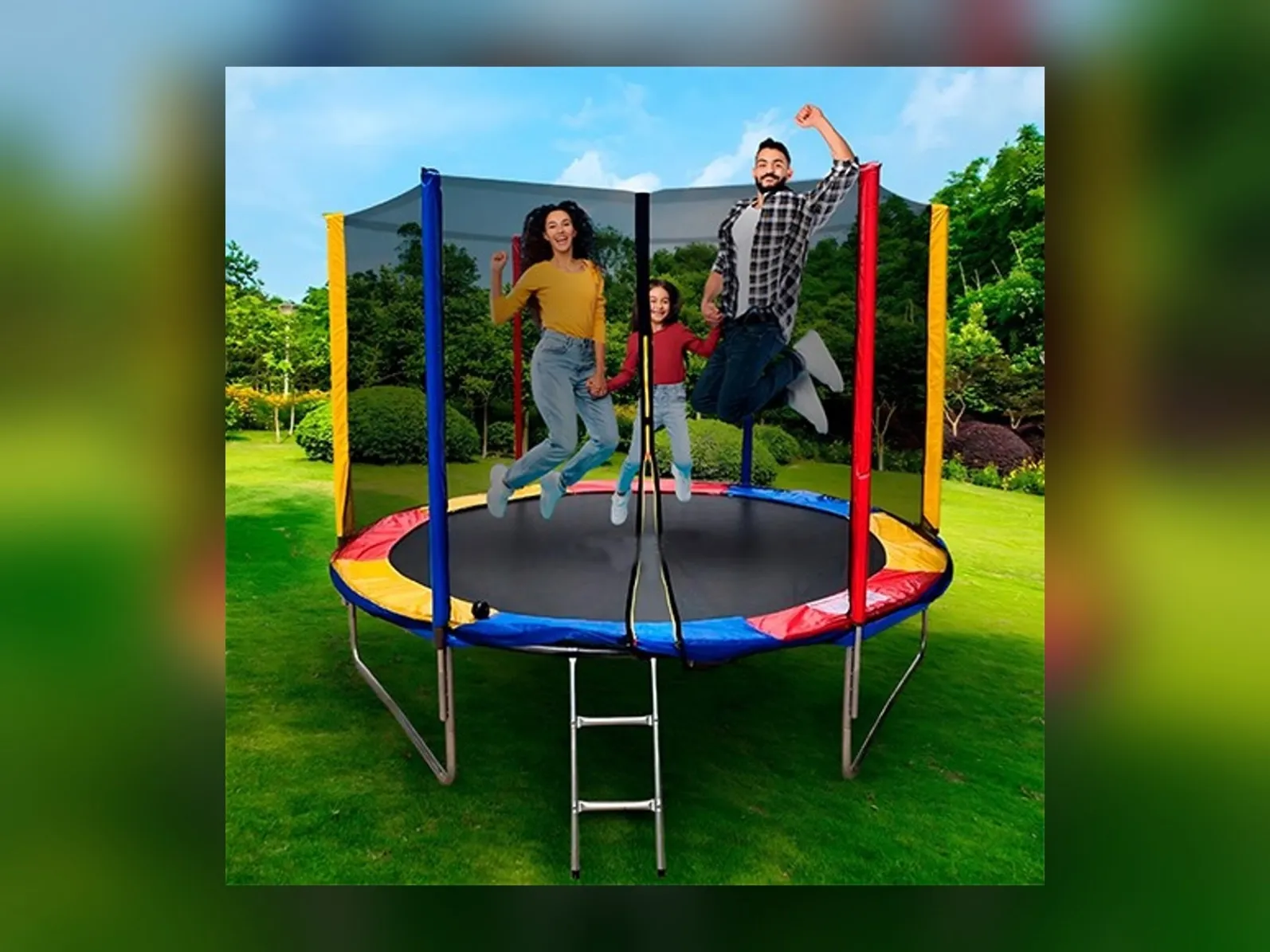
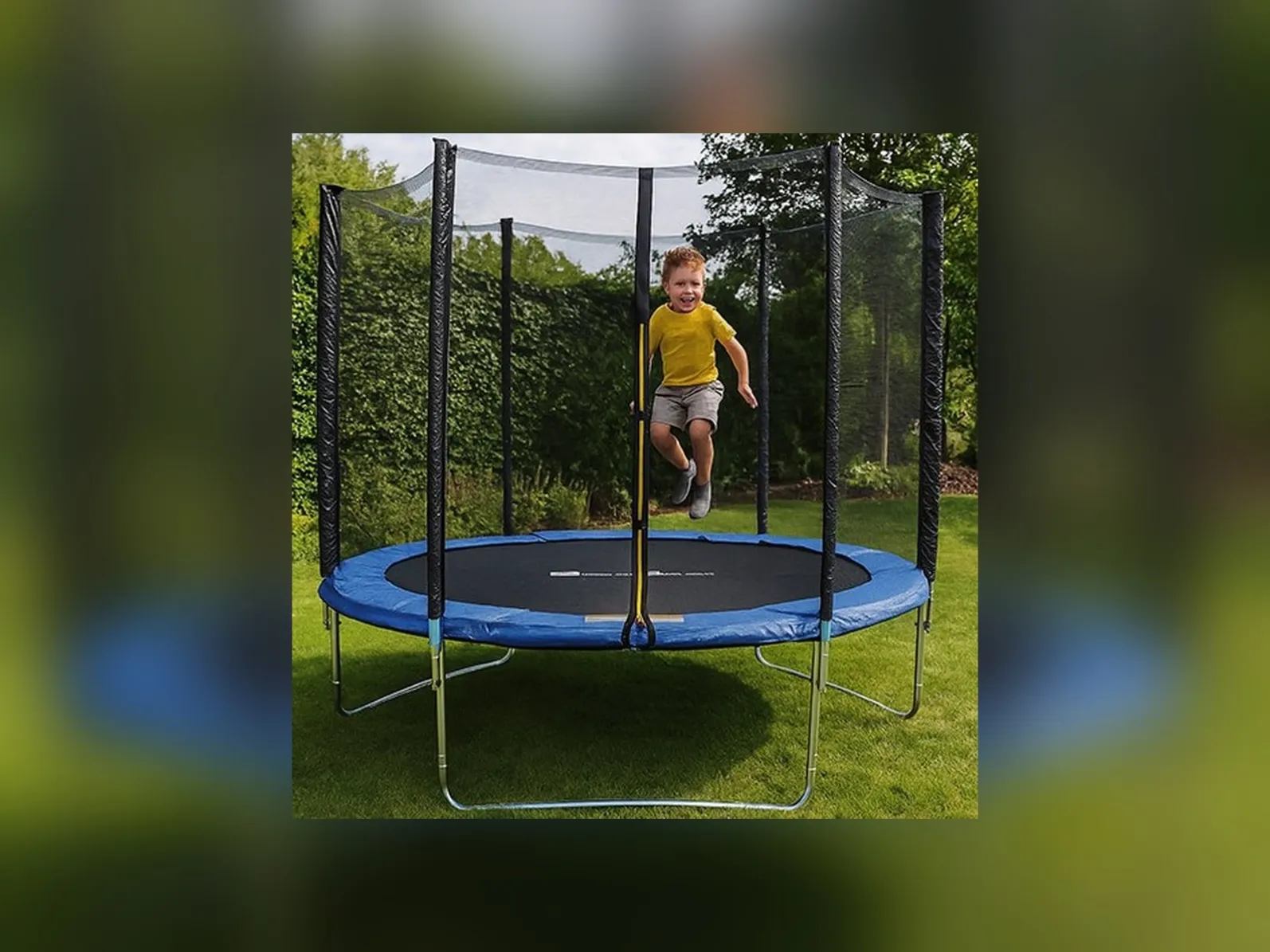
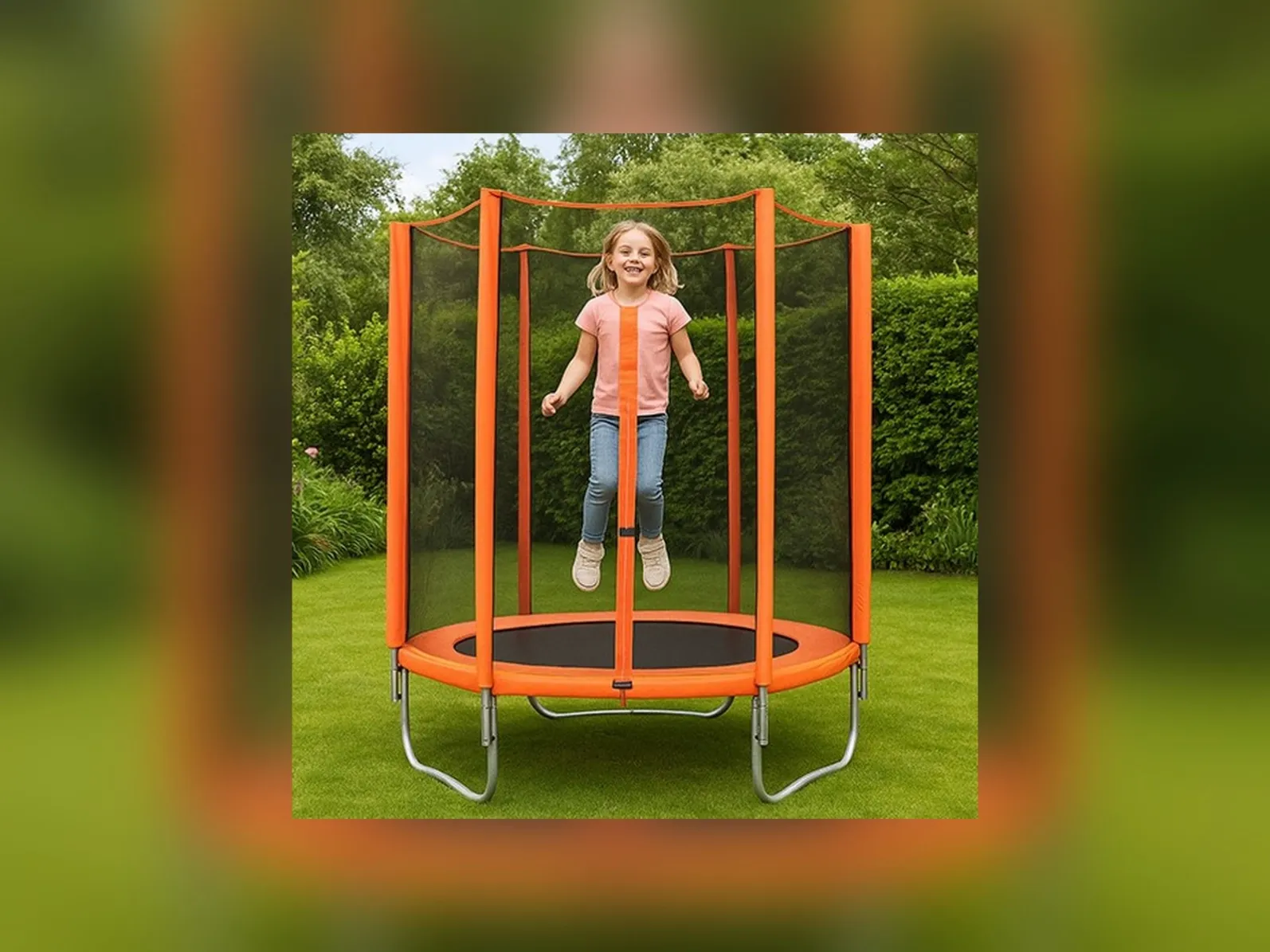
Across markets, 8FT, 10FT and 12FT are consistently the classic best-selling sizes, with regional variation — Central European buyers, for example, lean toward the mid sizes for apartment-era gardens. Offering both economical and upgraded configurations lets a retailer serve different customer groups without depending on a single specification. Our garden trampoline with net range covers this full size run in several configurations.
3. Wholesale Pricing: Why Configuration Matters
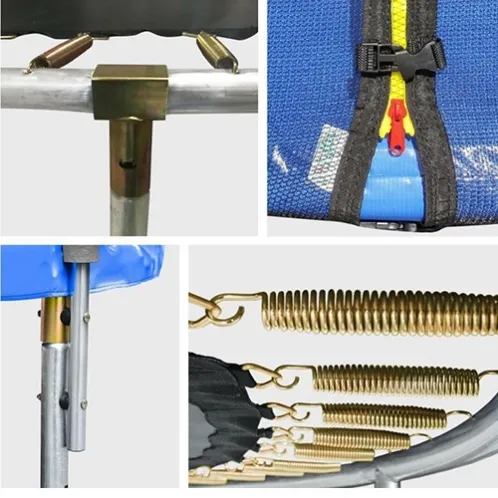
Two 12FT trampolines can look identical in photos and still carry very different costs. When comparing quotations, review:
- Steel frame: tube diameter, wall thickness, galvanization method, connection structure.
- Safety padding: cover material, foam thickness, width and attachment method.
- Jumping mat: material, stitching construction and compatibility with the spring configuration.
- Safety enclosure: net material, height, pole construction, top-ring design and attachment.
- Springs: quantity, wire diameter, length and surface treatment — the quote should state the spring configuration explicitly.
B2B tip: request quotations against the same technical specification and packaging requirements. Only then do price differences mean anything.
4. Packaging: A Hidden Wholesale Cost
A competitive factory price does not guarantee a competitive selling cost. Carton dimensions drive container loading quantities and, for e-commerce, courier charges based on volumetric weight. Ask for carton size and gross weight per size, the loading quantity per 40HQ, and whether the model ships in one carton or several. Packaging decisions made at quotation stage are difficult and expensive to change later.
5. Safety Compliance: What International Buyers Should Confirm
Confirm the applicable standard for your market (EN71-14 in Europe, ASTM F381 in the United States, EAC for Eurasian markets), which test reports exist for the exact model you are buying, and that labelling, warnings and instructions match your market's language and legal requirements. Compliance belongs in the quotation, not in a later email.
6. Local Supplier or China Manufacturer?
Local stockists offer speed and small quantities at a higher unit cost; sourcing directly from a China manufacturer offers configuration choice, OEM options and better pricing at container scale, in exchange for lead time and planning. Many distributors run both: local stock for urgent replenishment, direct orders for the season's core range. If you are starting a garden trampoline business, begin with proven sizes and configurations, validate sell-through, then widen the range.
7. OEM and Private Label Options
Depending on model and quantity, customization can include size and configuration, frame and enclosure specifications, padding colours, packaging artwork and carton labels, branding and manuals, and spare-parts packages. Note that changing major structural components may require additional verification or testing. For a first order, an established configuration with customized branding and packaging is usually the most straightforward route.
8. Checklist Before Requesting a Quotation
- Destination market: country and sales channel
- Product sizes: which of 6FT–16FT, and in what mix
- Target price or retail positioning
- Configuration level: economical, standard or upgraded
- Packaging: standard export carton or private label
- Certification requirements for your market
- Estimated quantity by model and size
- Required delivery schedule
- Trade terms: FOB, CIF or other
With this information ready, a manufacturer can recommend suitable models instead of sending a quotation that misses your requirements.
Read next: Sourcing Kids Trampolines: The Ultimate B2B Buyer's Guide · How to Choose a Reliable Trampoline Supplier in China: A B2B Sourcing Guide