Why We Said No to a Major 16FT Trampoline Order: A Story of Integrity
Why we declined a major 16FT trampoline order rather than secretly downgrade materials: the hidden cost of 'impossible' prices for brands and importers.
The Dilemma: A Dream Order vs. A Quality Nightmare
Today on WhatsApp, I was finalizing the details for a large order of 16FT trampolines. The quantities were confirmed, the specs were on the table, and the deal seemed ready to close.
Then came the "deal-breaker": The client insisted on a target price of $115 USD — while demanding the original, high-end specifications remain unchanged.
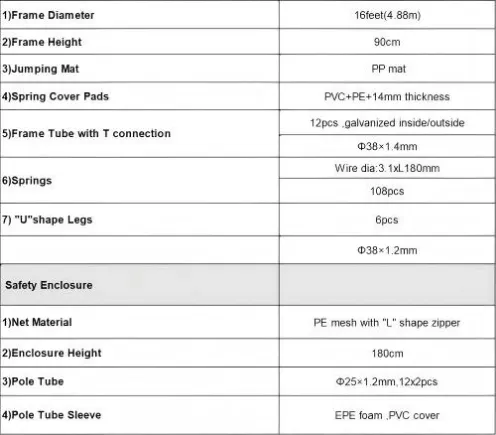
With 15 years of experience in the trampoline industry, I knew instantly that the math didn't add up. To meet that price point with those specs is mathematically impossible without compromising the product's soul.
The Temptation of "Hidden" Cost-Cutting
In the manufacturing world, a supplier who just wants your money would have said "Yes" immediately. Here is the uncomfortable truth about how some factories handle such "impossible" price gaps:
- Material Substitution: Using recycled PP resin for the mat instead of virgin material.
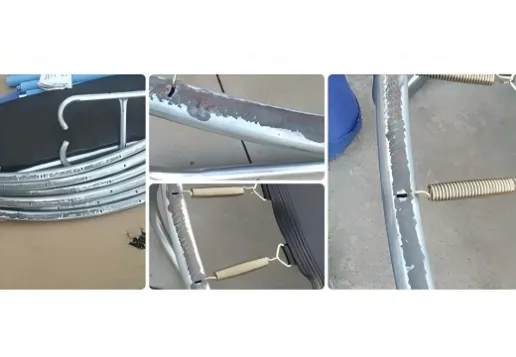
- Tube Thinning and Compromised Galvanization: Reducing the steel pipe wall thickness by just 0.2mm might be invisible to the naked eye, but it is fatal for structural integrity under heavy jumping loads. Furthermore, cutting costs on the galvanized coating thickness — the protective zinc layer — strips the frame of its primary defense.
Without adequate galvanization, the steel becomes highly susceptible to premature rust and internal corrosion, especially in humid or coastal environments. What starts as a small rust spot can quickly lead to metal fatigue and catastrophic frame failure. - UV Treatment Reduction: Slashing the chemical additives that prevent the safety net from crumbling after three months in the sun.
- Stitching Density: Reducing the needle count on the V-rings.
From the outside, the trampoline looks identical. But the difference shows up six months later in the form of returns, negative reviews, and — worst of all — safety hazards.
Why We Choose Reputation Over Revenue
I offered the client a compromise: adjust the specifications to meet the budget. They refused. At that moment, I had two choices:
- Accept the order and "secretly" downgrade materials to stay profitable.
- Politely decline.
I chose to decline. Building a brand takes years; destroying it takes one bad batch. We view ourselves as risk managers for our clients. If we allow a customer to put their logo on a product that we know will fail, we aren't just a bad supplier — we are a bad partner.
The Real Cost of "Cheap" Sourcing
When a price seems too good to be true in the trampoline industry, you aren't saving money; you are simply shifting the cost to your future self.
- $10 saved today on a cheaper mat could lead to $100 lost tomorrow in shipping returns and legal liabilities.
- A brand's reputation is built on the "unseen" quality — the thickness of the galvanization and the tensile strength of the springs.
Conclusion: Respecting the Choice, Protecting the Standard
As professionals, our job is to provide an honest analysis of pros and cons. We respect our clients' choices, but we also have a responsibility to our own standards. We don't just build trampolines; we build the trust that families place in those products every time their children jump.
That standard applies across our whole range — trampolines and accessories alike, down to our trampoline slide.
If you are looking for a partner who prioritizes your brand's longevity over a quick transaction, let's talk.
Read next: 14FT Trampoline Spare Parts Case: When Higher Specifications Become Harder to Support · Our Philosophy – TrampJoy: Where Quality Meets Care